
Managing Line Tension
Pull too hard and the line snaps; too soft and the fish escapes.
- Prototype complexity
- Who plays
- Solo decisions
- Design focus
- Risk · Timing · Precision
 No.232Dinkum
01The core loop
Action → feedback → next choice- 01Fish hooks and fights
- 02Reel to add tension
- 03Ease off when it peaks
- 04Land it once tired
↻Feedback changes the situation — the next round starts from there.
Walk through one round
A simplified design example. Situations and numbers illustrate the mechanic, not exact rules from a reference game.
- T1
Turn 1 · The situation
A big fish is 20 m out; tension is 60 of 100, and it surges +30 every few seconds.
- T2
Turn 2 · The player chooses
The player lets go just before the next surge.
- T3
Turn 3 · The feedback
Tension peaks at 75, the line fades from red to white, and the fish runs to 23 m.
- T4
Turn 4 · The next decision
Tired after the surge, the fish gives up 10 m as the player reels hard.
How it plays
Once hooked, reeling raises tension and closes distance while the fish's surges spike it. Above the limit the line snaps; too low and the fish may slip. Players pulse reeling and releasing to tire the fish, then haul it in.
What the player weighs
- Haul fast vs. reel steady to avoid snapping
- Buy stronger line vs. spend elsewhere
02Start small
Scope is an editorial estimate for the minimum prototype, not the reference game or a production schedule.
03One mechanic, different implementations
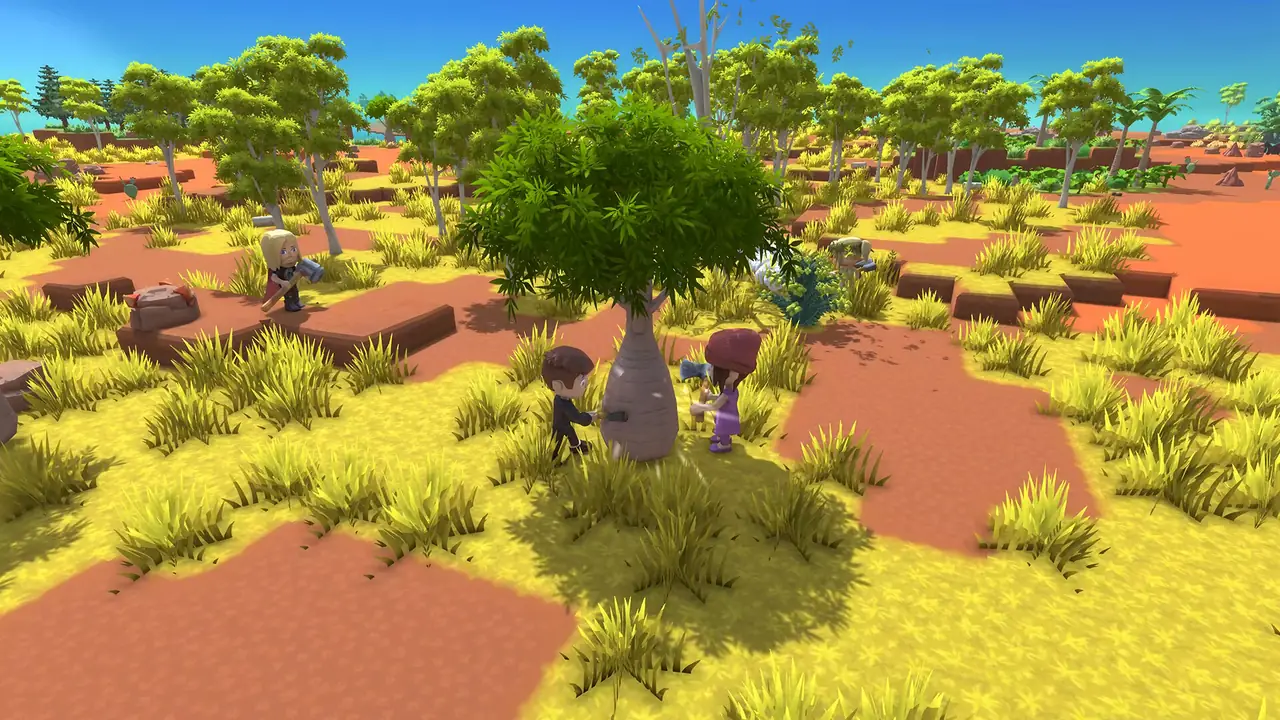
Dinkum
As I recall, after hooking you alternate reeling and easing off, and forcing it while the fish struggles risks breaking the line; exact tension behavior should be verified.
Core Keeper
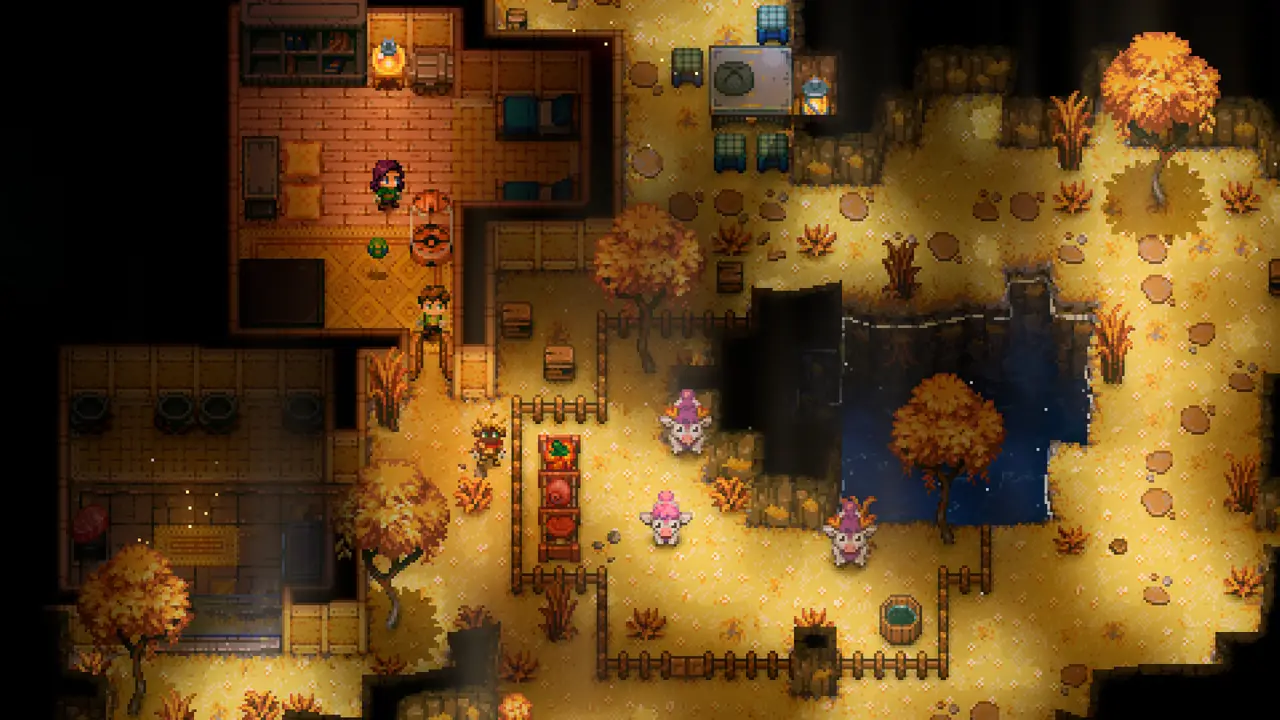
While fishing you stop reeling when the fish fights and reel when it calms, or the line breaks; fish from different waters fight differently. Details may not be fully accurate.
The difference worth noticing
Both express tension through reel-and-release rhythm, with Core Keeper leaning more on reading the fish's struggle state.
Case notes are Yoroll editorial summaries; rules may change between versions.
04What could you combine?
Landed fish have shapes for a packing grid; calm landings keep them compact, while long fights leave awkward shapes that take more slots.
Prototype this combo in Yoroll→Follow the next idea

Frame-Perfect Parry
Press guard a split second before impact and turn the threat into your opening.
- Prototype complexity
- Who plays
- Solo decisions
- 01Read the wind-up
- 02Time the parry press
- 03Earn stagger or riposte
- 04Cash in the opening

The Bite Window
A bite lasts a moment; strike too early or late and you come up empty.
- Prototype complexity
- Who plays
- Solo decisions
- 01Cast and wait
- 02Watch the float
- 03Strike on the bite
- 04Move to the reel-in

Keep the Fish in the Zone
The fish darts around a bar; keep your catch zone on it to land it.
- Prototype complexity
- Who plays
- Solo decisions
- 01Fish starts moving
- 02Move your zone to follow
- 03Progress fills
- 04Fill it to land