
Adjacency Bonuses
Where an item sits matters; the same gear can be weak or great depending on its neighbors.
- Prototype complexity
- Who plays
- Solo decisions
- Design focus
- Spatial · Optimization · Planning
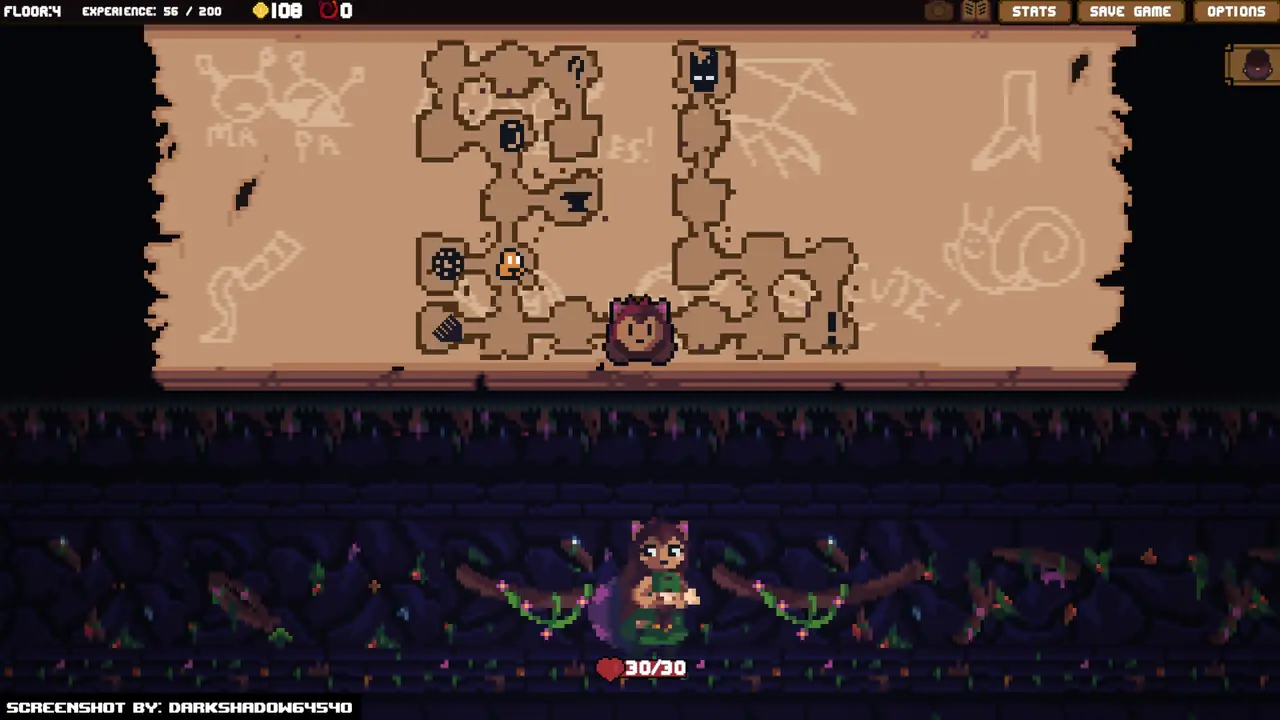 No.242Backpack Hero
01The core loop
Action → feedback → next choice- 01Get an item with a neighbor effect
- 02Try different placements
- 03Watch stats change
- 04Rebuild around a core
↻Feedback changes the situation — the next round starts from there.
Walk through one round
A simplified design example. Situations and numbers illustrate the mechanic, not exact rules from a reference game.
- T1
Turn 1 · The situation
A 6-damage sword sits in the bag; you find a gem giving adjacent weapons +3 and a charm giving its row +1.
- T2
Turn 2 · The player chooses
Put the gem next to the sword and the charm at the end of the same row.
- T3
Turn 3 · The feedback
Sword damage climbs from 6 to 10, and the rest of the row gets small boosts.
- T4
Turn 4 · The next decision
The player now hunts for items to fill that row into a powerhouse line.
How it plays
Some items boost neighbors, a row or a specific direction, like a gem that raises adjacent weapon damage. With limited space, arranging items for the best synergy becomes the central build decision.
What the player weighs
- Raw item power vs synergy: a mediocre item in the right spot can beat a strong one.
- Build around a core vs stay flexible: tight layouts resist new additions.
02Start small
Scope is an editorial estimate for the minimum prototype, not the reference game or a production schedule.
03One mechanic, different implementations
Backpack Hero
Many items depend on neighbors, such as boosting adjacent weapons or affecting a row, so placement and shape together define power.
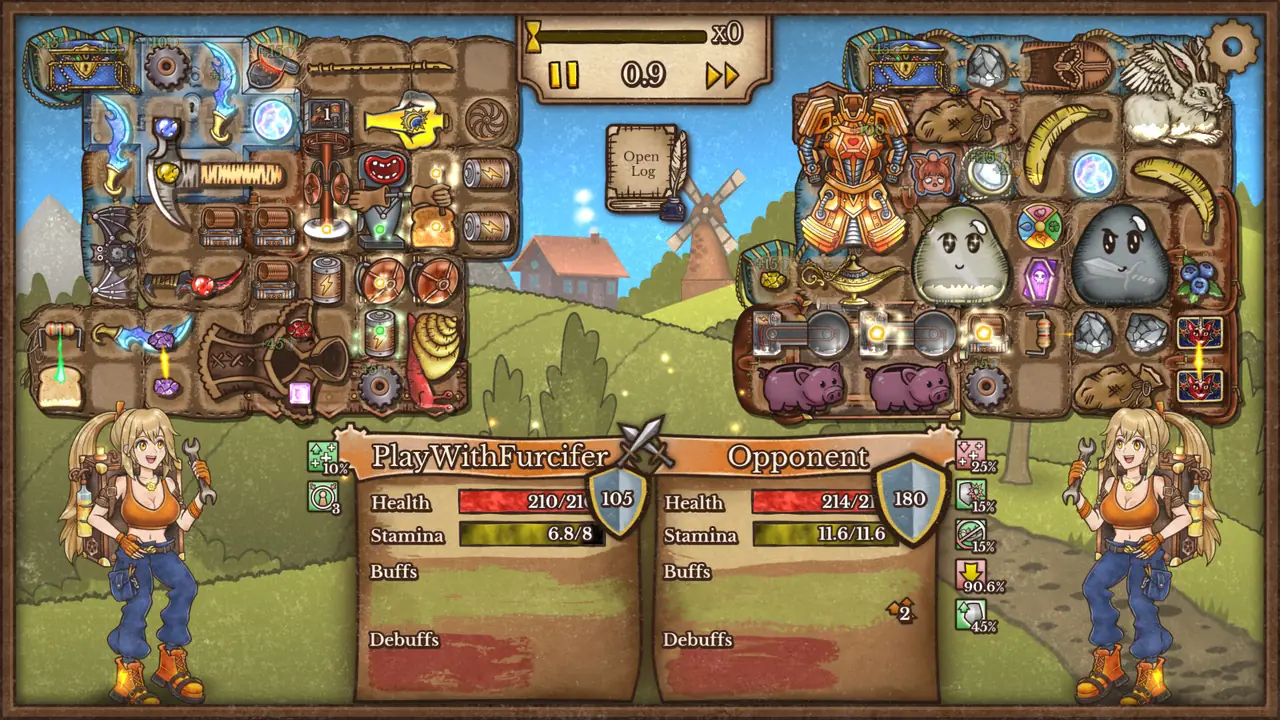
Backpack Battles
Items show star or diamond connectors that trigger synergies when touching matching items; fights auto-resolve against other players' bags asynchronously.
The difference worth noticing
Backpack Hero uses adjacency within turn-based manual combat; Backpack Battles makes layout the only input and combat fully automatic.
Case notes are Yoroll editorial summaries; rules may change between versions.
04What could you combine?
Food stays fresh when adjacent to salt or ice, so players carve out a cold zone that competes with combat gear for space.
Prototype this combo in Yoroll→Follow the next idea
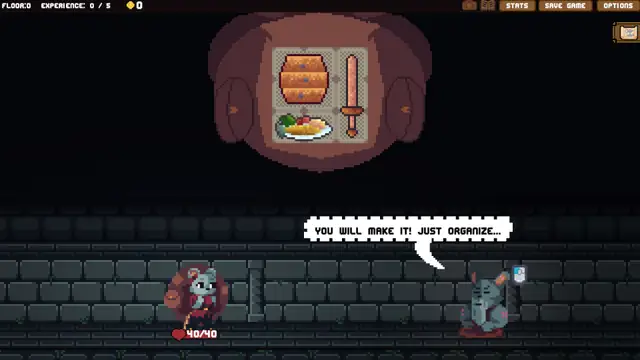
Shape-Based Packing
Items no longer take one slot; their shape is the cost and your bag becomes a puzzle.
- Prototype complexity
- Who plays
- Solo decisions
- 01Pick up a new item
- 02Rotate to find space
- 03Rearrange or discard
- 04Move on with the trade-off
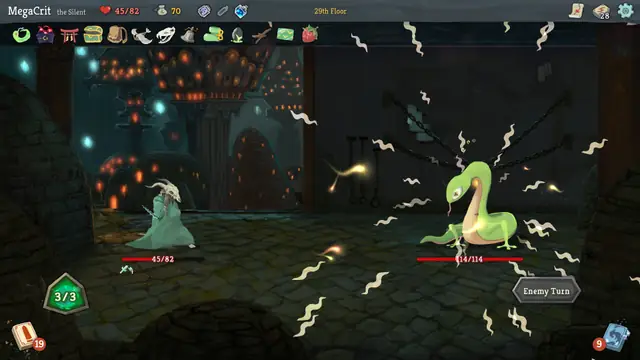
Deck Thinning
A leaner deck draws your best cards more often; removing can beat adding.
- Prototype complexity
- Who plays
- Solo decisions
- 01Spot weak cards
- 02Pay or use events to remove
- 03Deck density rises
- 04Key cards show up sooner
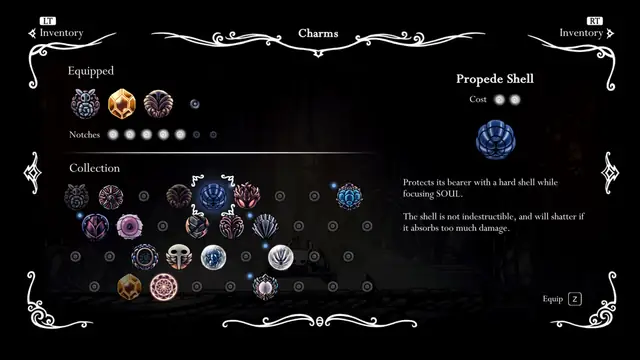
Budgeted Ability Loadout
Plenty of abilities, limited slots: every outing starts with choosing what to bring.
- Prototype complexity
- Who plays
- Solo decisions
- 01Collect new abilities
- 02Check budget costs
- 03Assemble a loadout
- 04Adjust after play