
Unknown-Item Identification
You don't know what that potion does; until you drink it, it's a gamble.
- Prototype complexity
- Who plays
- Solo decisions
- Design focus
- Information · Risk · Discovery
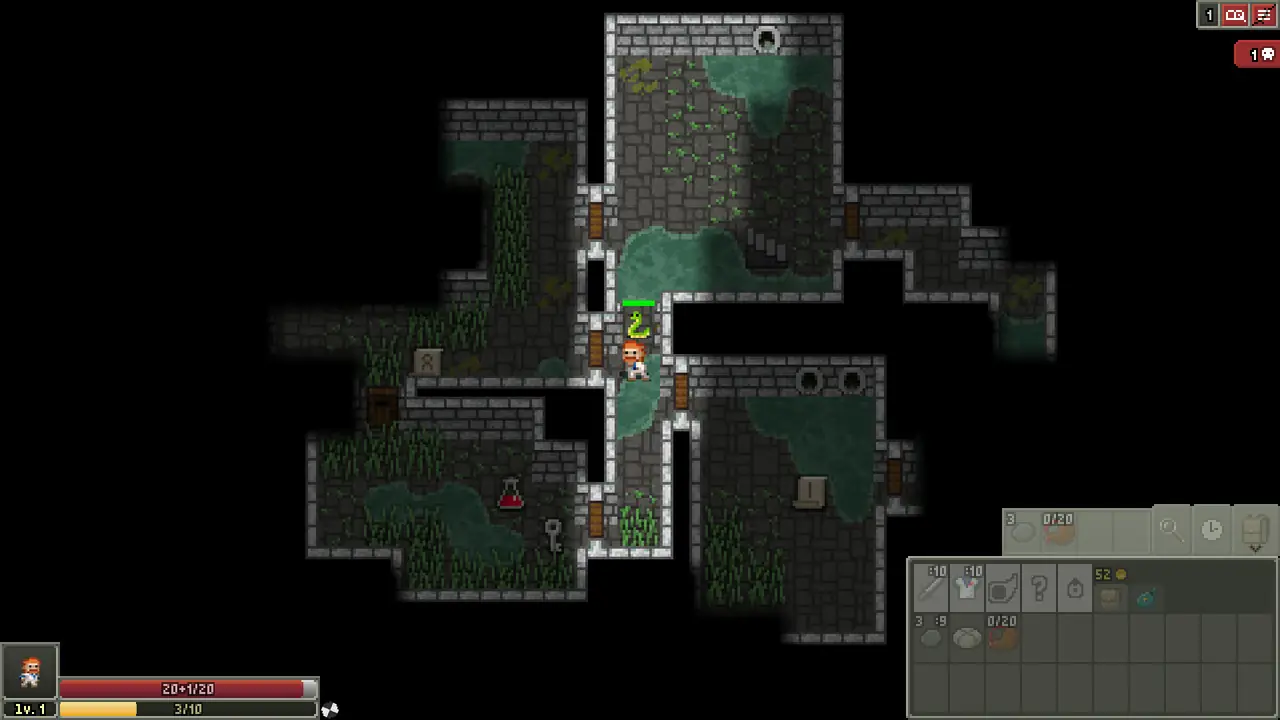 No.247Shattered Pixel Dungeon
01The core loop
Action → feedback → next choice- 01Find an unknown item
- 02Use-test or identify
- 03Reveal its effect
- 04Same items now known
↻Feedback changes the situation — the next round starts from there.
Walk through one round
A simplified design example. Situations and numbers illustrate the mechanic, not exact rules from a reference game.
- T1
Turn 1 · The situation
Floor 4, three unknown purple potions, full health, no enemies nearby.
- T2
Turn 2 · The player chooses
With things safe, the player drinks one to test.
- T3
Turn 3 · The feedback
It's invisibility, one wasted, but the other two are now identified.
- T4
Turn 4 · The next decision
The player saves both for a boss-floor escape plan.
How it plays
Potions and scrolls appear as colors or runes randomly mapped to effects each run. Players can test them, spend identification items or use skills; once identified, all copies show their true name for the run.
What the player weighs
- Test now vs wait to identify: it might heal or might poison.
- Where to spend identification: limited scrolls for gear or consumables?
02Start small
Scope is an editorial estimate for the minimum prototype, not the reference game or a production schedule.
03One mechanic, different implementations
Shattered Pixel Dungeon
Potions are colors and scrolls are runes, randomized per run; equipment reveals upgrades and curses only after being worn a while or read with a scroll of identify.
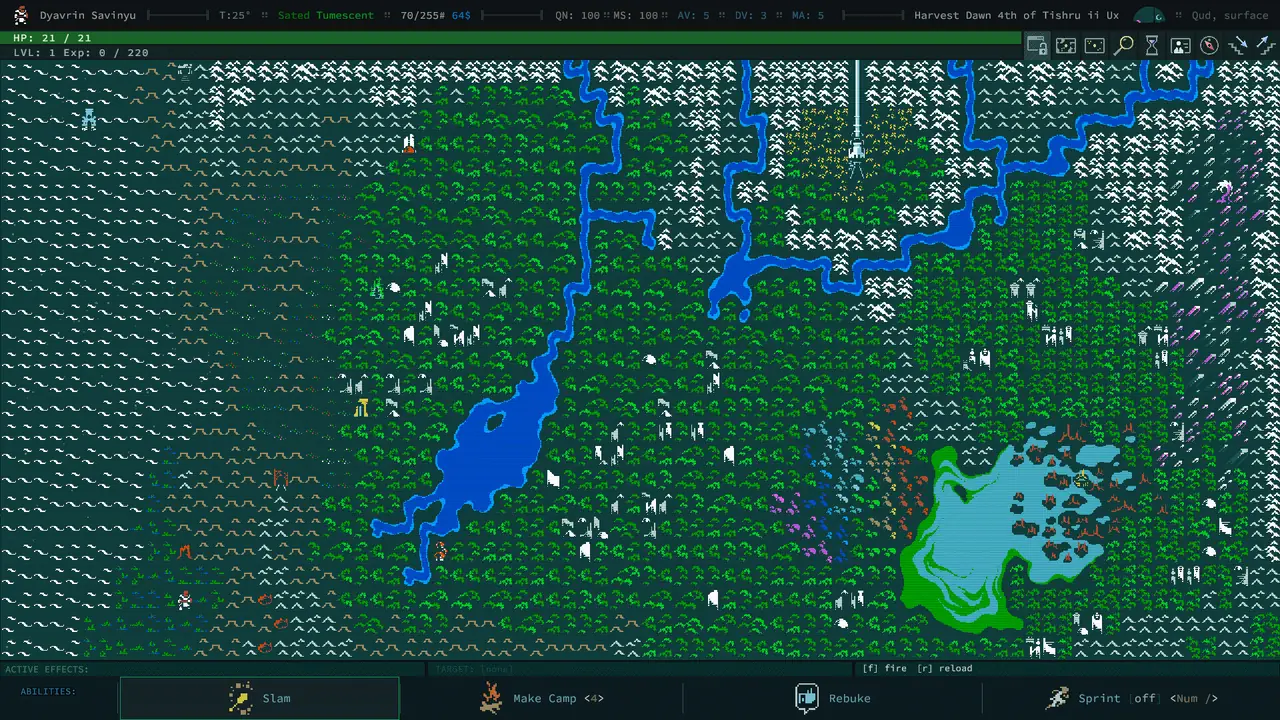
Caves of Qud
Many ancient artifacts appear unidentified and require sufficient tinkering skill to understand; otherwise players risk using them or have someone else identify them.
The difference worth noticing
Pixel Dungeon's identification is a per-run consumable puzzle; Caves of Qud ties it to character skill growth.
Case notes are Yoroll editorial summaries; rules may change between versions.
04What could you combine?
A merchant's offer for an unidentified item hints at its worth, letting players deduce what it is by shopping around.
Prototype this combo in Yoroll→Follow the next idea
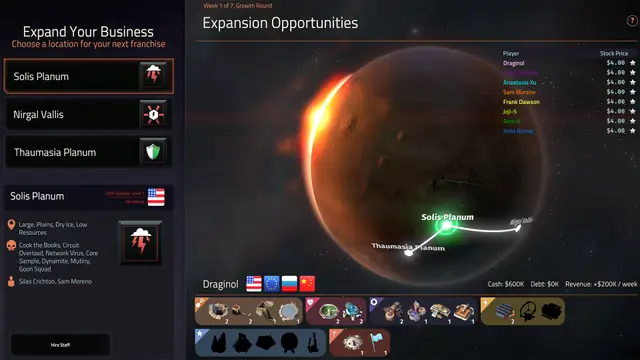
Know Your Max Bid
Holding your limit while others raise the bid is the hardest auction lesson.
- Prototype complexity
- Who plays
- Solo decisions
- 01Appraise the lot
- 02Set a personal cap
- 03Raise or drop out
- 04Win it or let it go
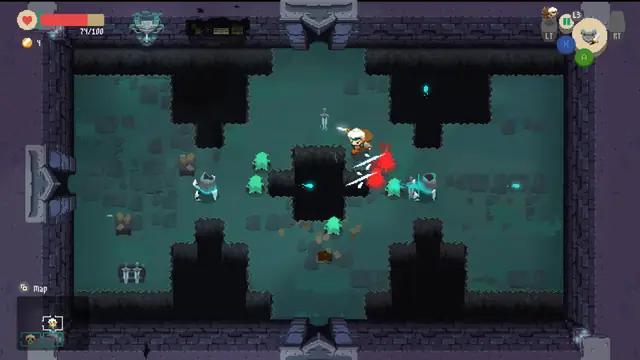
Find the Right Price
Not sure what it’s worth? Set a price and read the customer’s face.
- Prototype complexity
- Who plays
- Solo decisions
- 01Tag a price
- 02Watch the reaction
- 03Note the range
- 04Adjust next time
Learning Recipes
You hold the ingredients but lack know-how; each recipe gives old items a new use.
- Prototype complexity
- Who plays
- Solo decisions
- 01Obtain a recipe somewhere
- 02Check needed ingredients
- 03Gather and cook
- 04Use the dish's effects