
Consumable Light
Light runs down bit by bit, and darkness isn't just harder to see in; it's deadlier.
- Prototype complexity
- Who plays
- Solo decisions
- Design focus
- Risk · Time · Planning
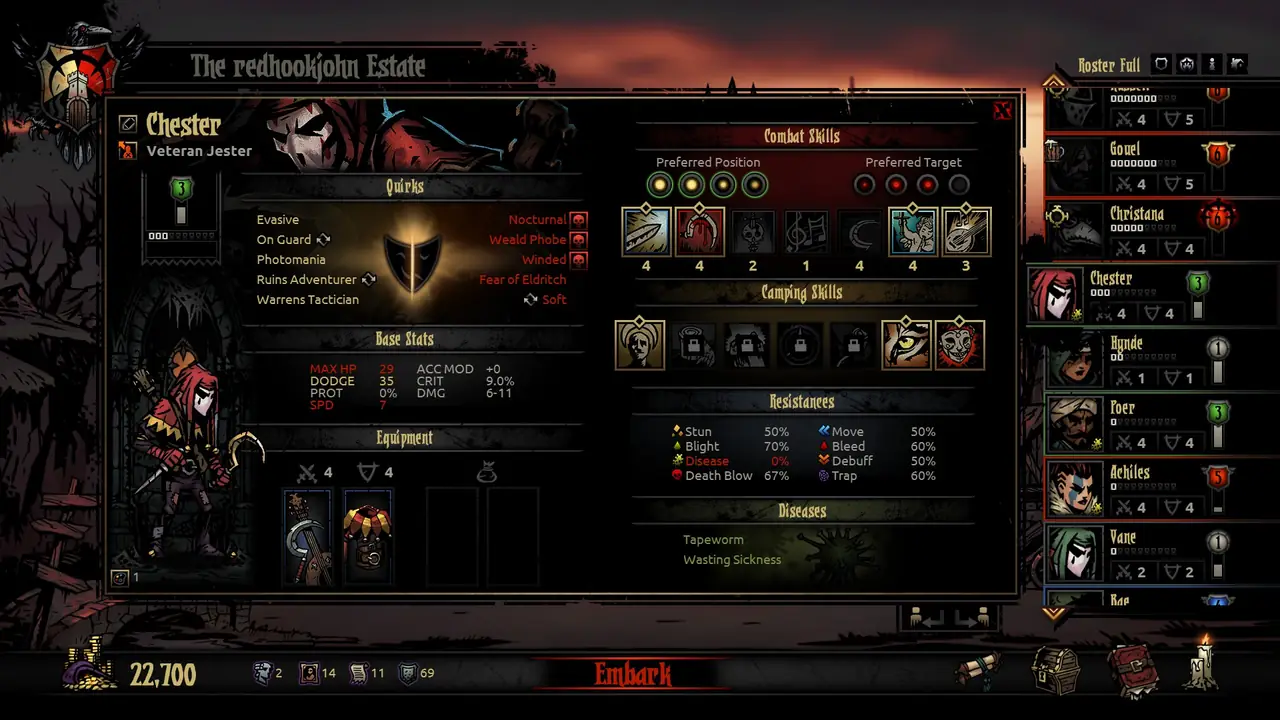 No.246Darkest Dungeon
01The core loop
Action → feedback → next choice- 01Light up and advance
- 02Light drains over time
- 03Refuel or push on in dark
- 04Face the resulting risk
↻Feedback changes the situation — the next round starts from there.
Walk through one round
A simplified design example. Situations and numbers illustrate the mechanic, not exact rules from a reference game.
- T1
Turn 1 · The situation
4 rooms left, light at 30, 2 torches remaining, each worth +25 light.
- T2
Turn 2 · The player chooses
The player saves one torch for the boss room and stays dim before that.
- T3
Turn 3 · The feedback
One ambush hits in the dark but yields extra treasure; light is back to 55 for the boss.
- T4
Turn 4 · The next decision
The last torch is saved for the way out, and the player plans to pack more next time.
How it plays
Torches and fuel drain over time or steps, and light level affects vision, enemy strength or directly causes harm. Players decide how much light to pack and when to refuel or stay dim for rewards.
What the player weighs
- Pack plenty of light vs other supplies: light competes for the budget.
- Stay bright vs reap darkness bonuses: some designs pay more loot in the dark.
02Start small
Scope is an editorial estimate for the minimum prototype, not the reference game or a production schedule.
03One mechanic, different implementations
Darkest Dungeon
Torchlight falls as you explore and torches bought before the expedition restore it; darker means stronger enemies and more stress but better loot.
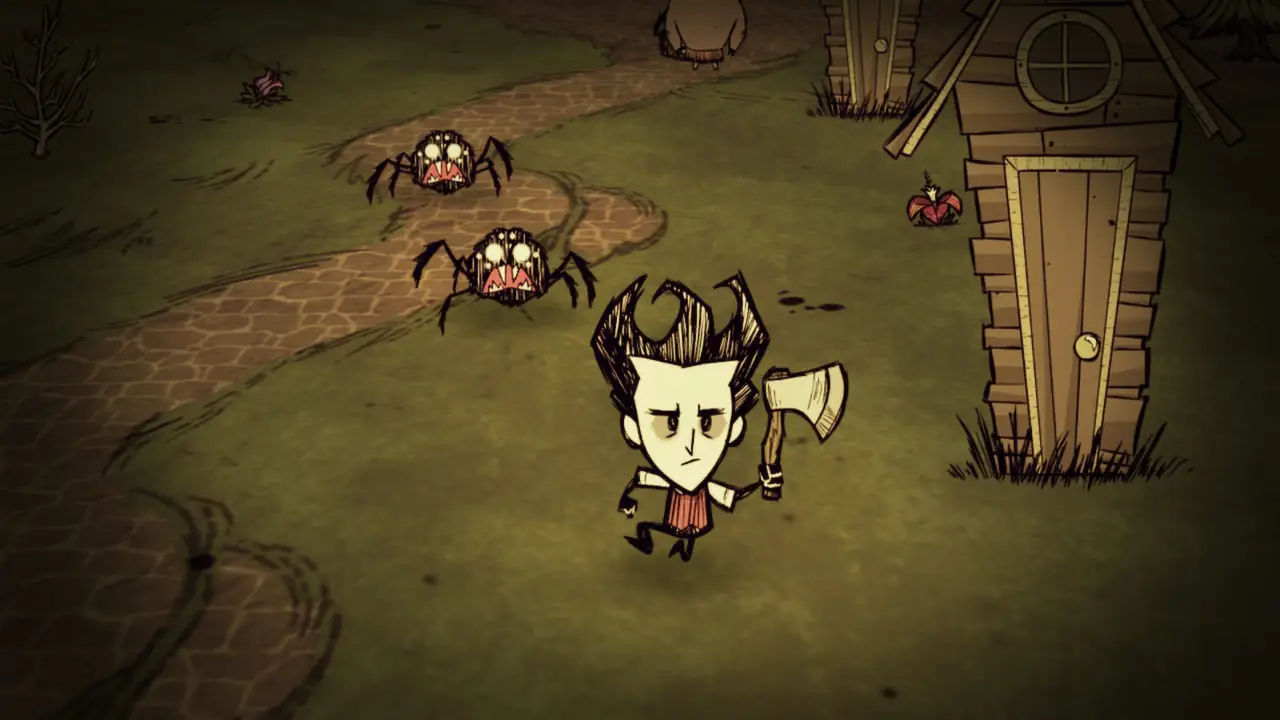
Don't Starve
In total darkness at night an unseen creature attacks, so players survive using campfires and torches that steadily burn fuel.
The difference worth noticing
Darkest Dungeon treats light as a tunable risk-reward dial; Don't Starve makes darkness a lethal threat to avoid.
Case notes are Yoroll editorial summaries; rules may change between versions.
04What could you combine?
Brighter light alerts patrols sooner, so players dim or raise their lamp to balance seeing the route against staying hidden.
Prototype this combo in Yoroll→Follow the next idea
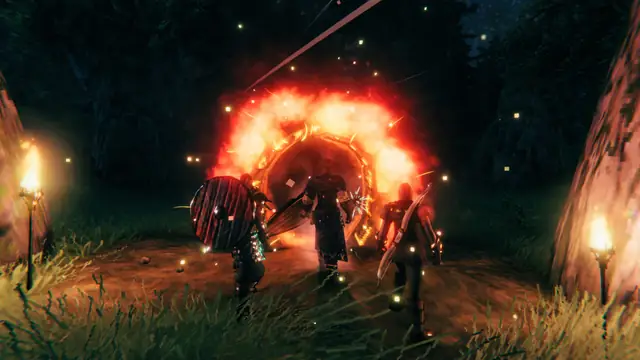
Durability and Upkeep
Tools wear with use, and breaking at the wrong moment is a disaster you plan around.
- Prototype complexity
- Who plays
- Solo decisions
- 01Use a tool or weapon
- 02Durability drops
- 03Repair or replace
- 04Plan the next trip
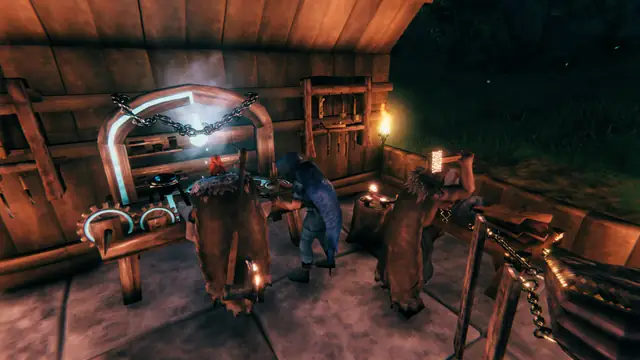
Corpse Run Recovery
Death doesn't erase your stuff; it waits where you fell, if you dare go back.
- Prototype complexity
- Who plays
- Solo decisions
- 01Die and drop resources
- 02Respawn at a safe point
- 03Travel back to the spot
- 04Recover or lose it again
Carry-Weight Budget
You can pick up plenty but carry little; going over weight costs you mobility.
- Prototype complexity
- Who plays
- Solo decisions
- 01Pick up loot
- 02Check carry weight
- 03Drop items or accept slowdown
- 04Return to sell or store