
Merge Three, Climb a Tier
Put three identical things together and they become the next tier up.
- Prototype complexity
- Who plays
- Solo decisions
- Design focus
- Planning · Spatial · Optimization
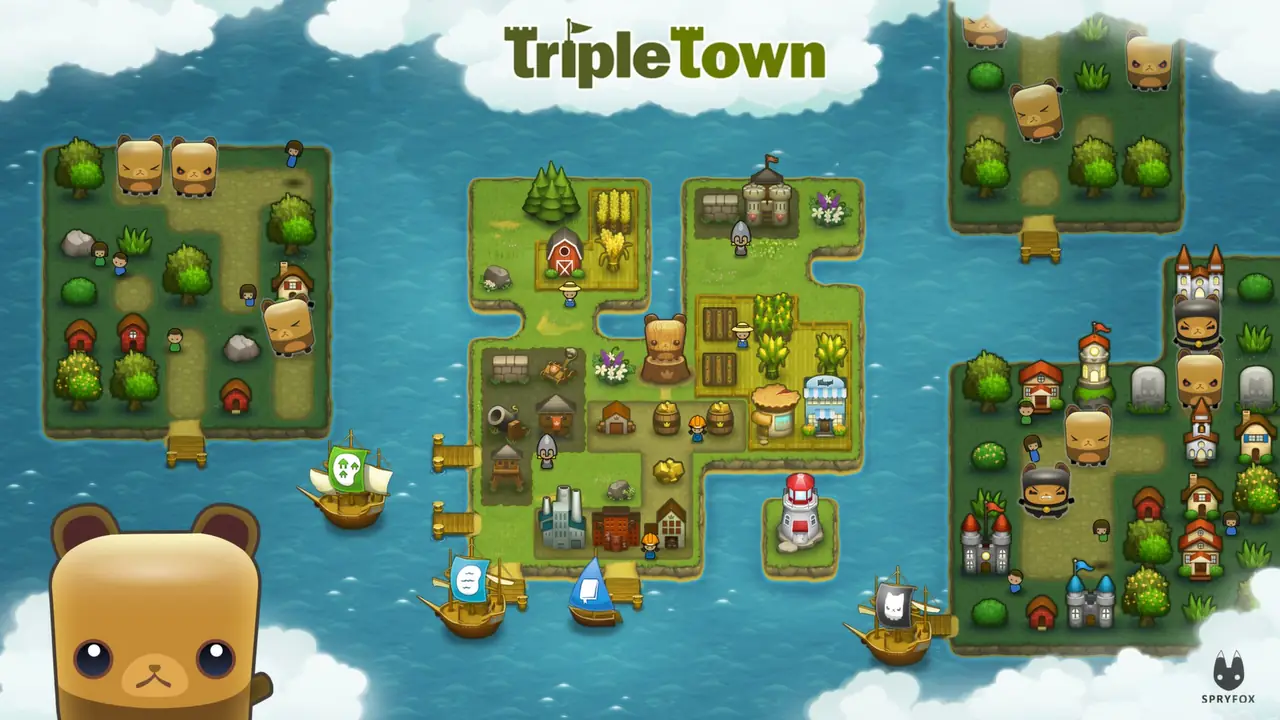 No.170Triple Town
01The core loop
Action → feedback → next choice- 01Get a low-tier item
- 02Place it beside matches
- 03Three merge into next tier
- 04Plan higher-tier merges
↻Feedback changes the situation — the next round starts from there.
Walk through one round
A simplified design example. Situations and numbers illustrate the mechanic, not exact rules from a reference game.
- T1
Turn 1 · The situation
7 empty cells on a 6x6 map; you hold a bush, with two bushes and two trees already placed.
- T2
Turn 2 · The player chooses
Place the bush where it touches both bushes and both trees.
- T3
Turn 3 · The feedback
Three bushes become a tree, which chains with the two trees into a hut, freeing 4 cells.
- T4
Turn 4 · The next decision
The hut sits far from two others, so the player plans where the next merge goes.
How it plays
Three adjacent items of the same tier merge into one of the next tier, which can merge again. Space is limited and misplacement blocks future merges; some games reward five-merges with a bonus.
What the player weighs
- Merge now vs wait for five: five is more efficient but hogs space.
- Cluster vs spread: clustering chains merges, spreading keeps options open.
02Start small
Scope is an editorial estimate for the minimum prototype, not the reference game or a production schedule.
03One mechanic, different implementations
Triple Town
Grass, bushes, trees and houses merge upward while bears wander and occupy cells; trapped bears become tombstones, which also merge.
Merge Dragons!
Three identical objects merge up, five merge into two higher-tier ones, and dragons harvest resources, blending merging with management and exploration.
The difference worth noticing
Triple Town is a space-limited puzzle run; Merge Dragons is a long-term sandbox that rewards hoarding with five-for-two merges.
Case notes are Yoroll editorial summaries; rules may change between versions.
04What could you combine?
Crops must be watered and tended to a certain stage before merging, so players juggle care time against merge placement.
Prototype this combo in Yoroll→Follow the next idea

Fill a Line to Clear It
Space is the only resource: fill a line to reclaim it, or get crowded out.
- Prototype complexity
- Who plays
- Solo decisions
- 01Read current and next piece
- 02Choose where to place it
- 03Full lines clear space
- 04Shape the gaps for later
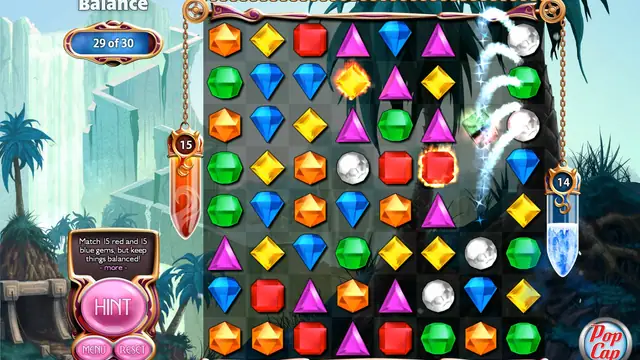
Shape Matches Make Power Pieces
Beyond simple threes, L-shapes, fours and fives forge powerful special pieces.
- Prototype complexity
- Who plays
- Solo decisions
- 01Spot a special pattern
- 02Swap to form it
- 03A power piece appears
- 04Detonate it at the right time
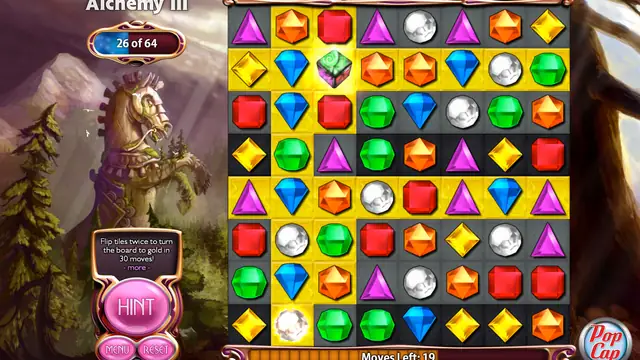
Swap-to-Match
Swap two neighbors to line up three of a kind and clear them.
- Prototype complexity
- Who plays
- Solo decisions
- 01Scan the board
- 02Swap two neighbors
- 03Match clears, pieces fall
- 04Read the new board