
Act While Auto-Running
The game moves you forward; your job is pressing the right action at the right time.
- Prototype complexity
- Who plays
- Solo decisions
- Design focus
- Timing · Dexterity · Precision
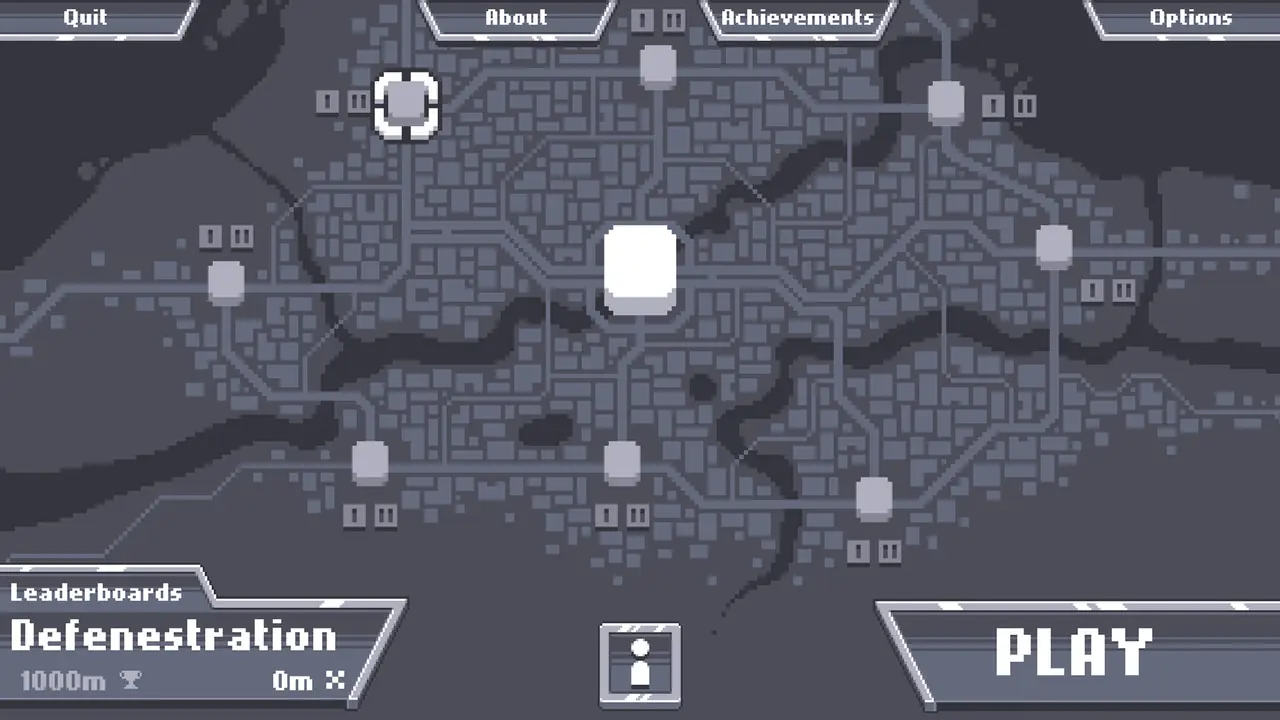 No.180Canabalt
01The core loop
Action → feedback → next choice- 01Read the incoming obstacle
- 02Pick the matching action
- 03Time the input
- 04Survive as speed rises
↻Feedback changes the situation — the next round starts from there.
Walk through one round
A simplified design example. Situations and numbers illustrate the mechanic, not exact rules from a reference game.
- T1
Turn 1 · The situation
Running at 8 m/s, a low beam arrives in 2 s, followed 0.5 s later by a gap.
- T2
Turn 2 · The player chooses
The player slides under the beam and jumps the instant the slide ends.
- T3
Turn 3 · The feedback
Slide recovery eats 0.2 s, so the jump comes late and barely clears the gap.
- T4
Turn 4 · The next decision
Speed climbs to 9 m/s, shrinking that margin and forcing an earlier slide.
How it plays
The character runs at a speed the player can't change, so input shrinks to a few actions like jump, slide or kick. Each obstacle demands a specific action at a specific moment, and speed or density rises over time. Music beats, sound cues and distant silhouettes help players anticipate.
What the player weighs
- Act early for safety, or late to grab bonuses placed in tighter windows.
- Focus on the next obstacle, or look further ahead to plan a string of actions.
02Start small
Scope is an editorial estimate for the minimum prototype, not the reference game or a production schedule.
03One mechanic, different implementations
Canabalt
The runner keeps accelerating across rooftops with only a jump button; collapsing buildings and obstacles are generated, and one misjudged jump ends the run.
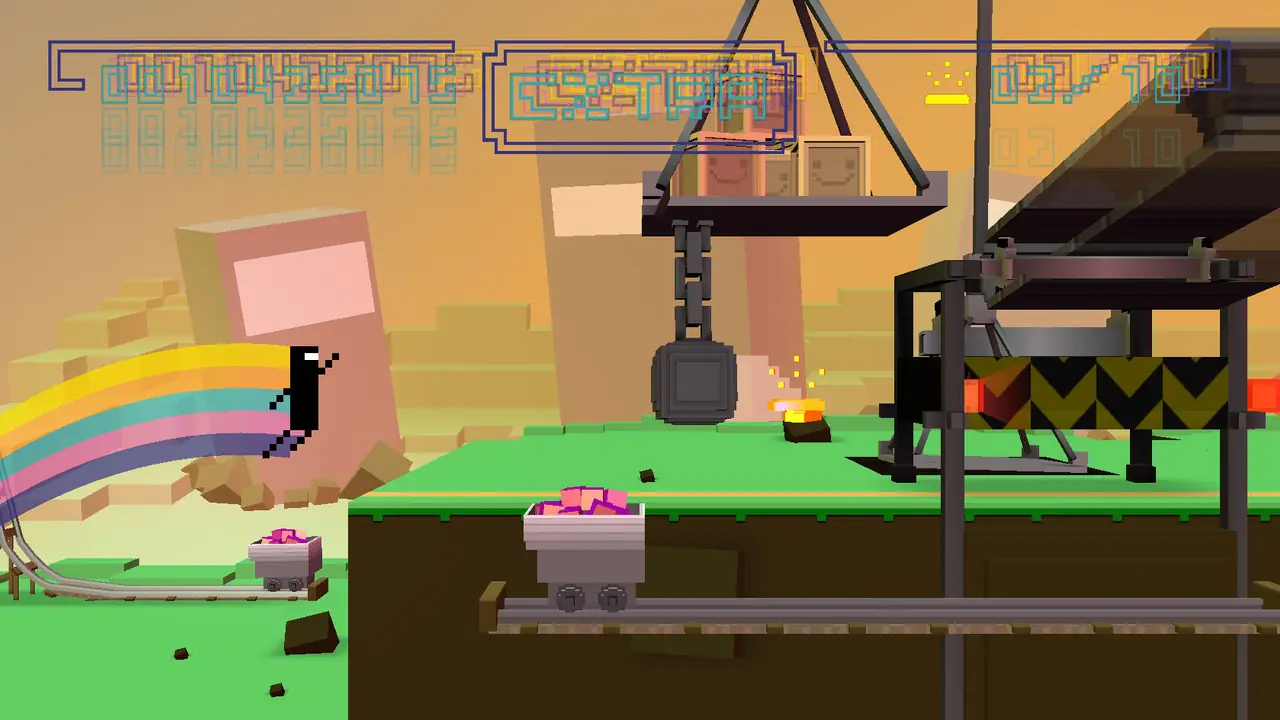
BIT.TRIP RUNNER
The hero auto-runs through hand-built levels where jumps, slides and kicks line up with the music; hitting an obstacle sends you back to the start.
The difference worth noticing
Canabalt is one-button, endless and random; BIT.TRIP RUNNER is authored, multi-action, rhythmic and memorized.
Case notes are Yoroll editorial summaries; rules may change between versions.
04What could you combine?
Have enemies flash their next-attack icon before the runner arrives, so players choose dodge or counter from the telegraph instead of memorizing shapes.
Prototype this combo in Yoroll→Follow the next idea

Variable-Height Jump
How long you hold jump decides how high you go.
- Prototype complexity
- Who plays
- Solo decisions
- 01Press jump to lift off
- 02Hold to keep rising
- 03Release to cut ascent
- 04Land at the chosen height
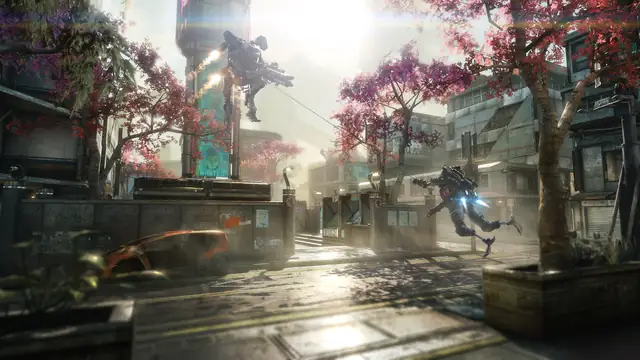
Grapple Swing and Release
Hook on, ride the arc, and let go at the right moment to fling yourself forward.
- Prototype complexity
- Who plays
- Solo decisions
- 01Aim at an anchor
- 02Hook on and swing
- 03Release at the right point
- 04Carry speed into next hook
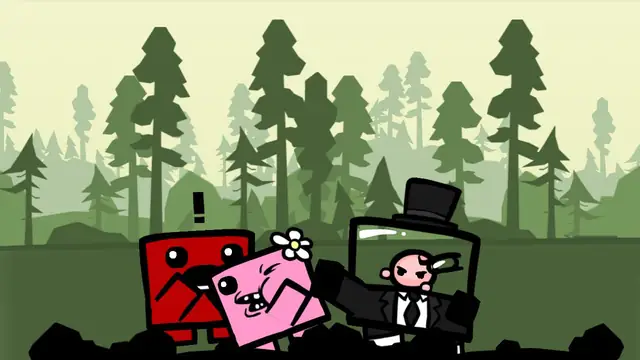
Wall-Jump Traversal
Walls become stairs: kick off one surface, steer, and catch the next.
- Prototype complexity
- Who plays
- Solo decisions
- 01Cling to slow your fall
- 02Kick away with jump
- 03Steer toward the next wall
- 04Chain kicks or land