
Variable-Height Jump
How long you hold jump decides how high you go.
- Prototype complexity
- Who plays
- Solo decisions
- Design focus
- Timing · Precision · Dexterity
 No.176Celeste
01The core loop
Action → feedback → next choice- 01Press jump to lift off
- 02Hold to keep rising
- 03Release to cut ascent
- 04Land at the chosen height
↻Feedback changes the situation — the next round starts from there.
Walk through one round
A simplified design example. Situations and numbers illustrate the mechanic, not exact rules from a reference game.
- T1
Turn 1 · The situation
A 5-tile gap under a spike ceiling 3 tiles up; a full jump peaks at 4.
- T2
Turn 2 · The player chooses
The player holds for about 0.15 s to peak at 2.5 tiles.
- T3
Turn 3 · The feedback
The low arc covers just over 4 tiles, landing them teetering on the far edge.
- T4
Turn 4 · The next decision
Next time they add a run-up, learning that speed and hold time together set distance.
How it plays
Pressing jump gives upward velocity; releasing early cuts it or raises gravity, producing a short hop, while holding to the cap gives a full jump. One button covers small hops under low ceilings and big leaps over pits, and the arc's peak is the clearest signal.
What the player weighs
- A full jump clears more but risks ceiling hazards.
- A short hop recovers fast but may fall short of the next platform.
02Start small
Scope is an editorial estimate for the minimum prototype, not the reference game or a production schedule.
03One mechanic, different implementations
Celeste
Releasing jump early shortens Madeline's jump, and the game adds forgiving touches like a brief grace window after leaving a ledge.
Canabalt
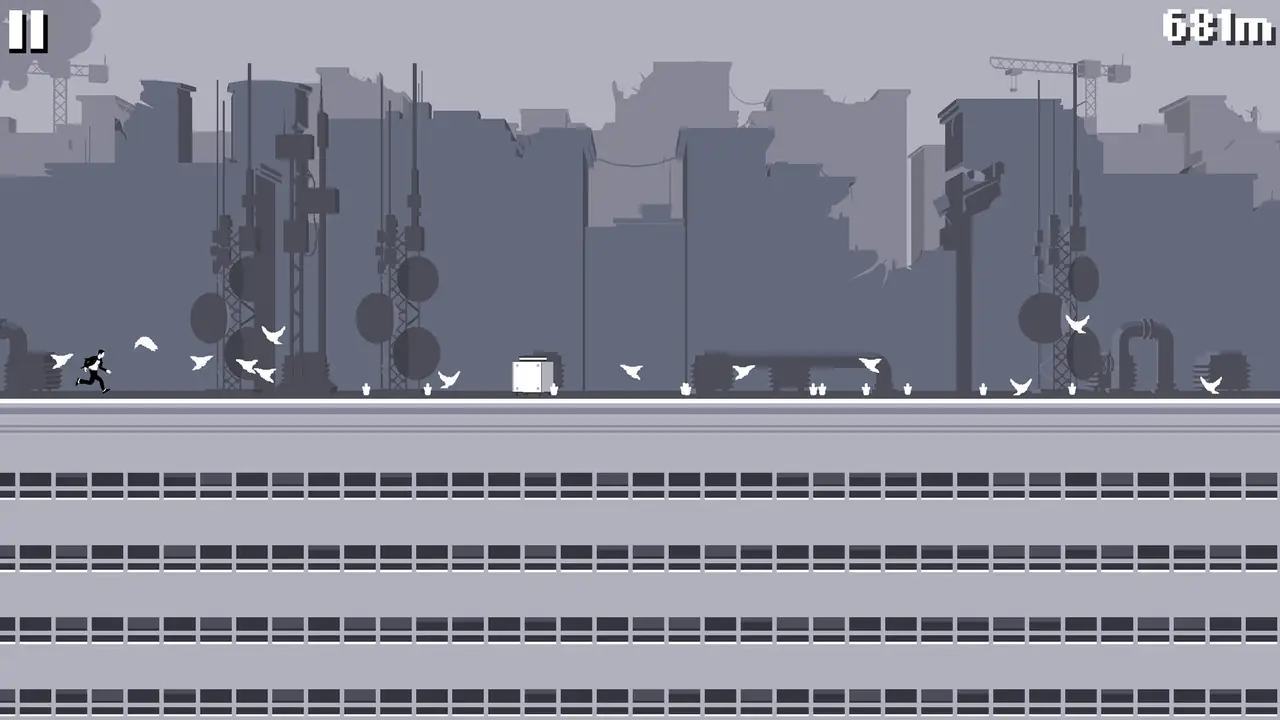
Running is automatic and jump is the only input, so hold length is the entire skill, deciding whether you clear the gaps between rooftops.
The difference worth noticing
In Celeste variable height is one tool among many; in Canabalt it is the whole control scheme.
Case notes are Yoroll editorial summaries; rules may change between versions.
04What could you combine?
Let hold time on a wall kick set kick distance, so one wall supports both a tight climb and a room-spanning leap.
Prototype this combo in Yoroll→Follow the next idea
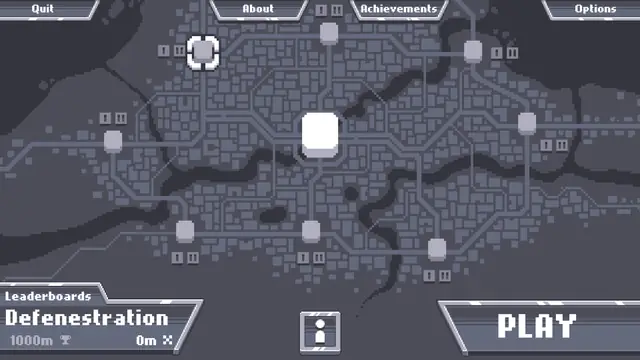
Act While Auto-Running
The game moves you forward; your job is pressing the right action at the right time.
- Prototype complexity
- Who plays
- Solo decisions
- 01Read the incoming obstacle
- 02Pick the matching action
- 03Time the input
- 04Survive as speed rises
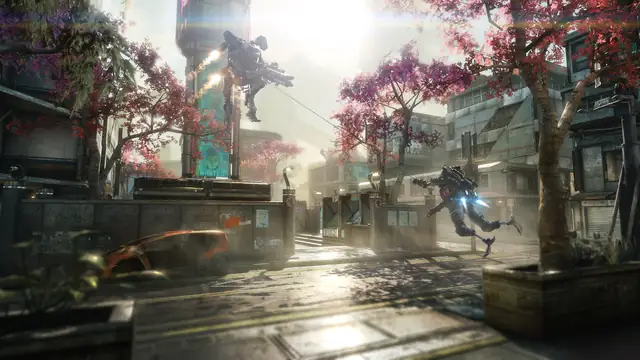
Grapple Swing and Release
Hook on, ride the arc, and let go at the right moment to fling yourself forward.
- Prototype complexity
- Who plays
- Solo decisions
- 01Aim at an anchor
- 02Hook on and swing
- 03Release at the right point
- 04Carry speed into next hook
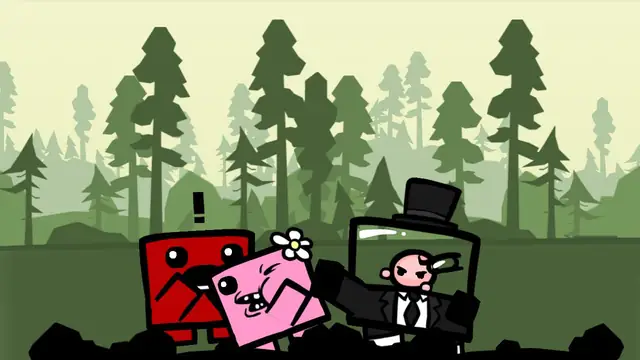
Wall-Jump Traversal
Walls become stairs: kick off one surface, steer, and catch the next.
- Prototype complexity
- Who plays
- Solo decisions
- 01Cling to slow your fall
- 02Kick away with jump
- 03Steer toward the next wall
- 04Chain kicks or land