
Bounce Off Targets
Striking an enemy or hazard from above launches you, turning threats into stepping stones.
- Prototype complexity
- Who plays
- Solo decisions
- Design focus
- Timing · Precision · Spatial
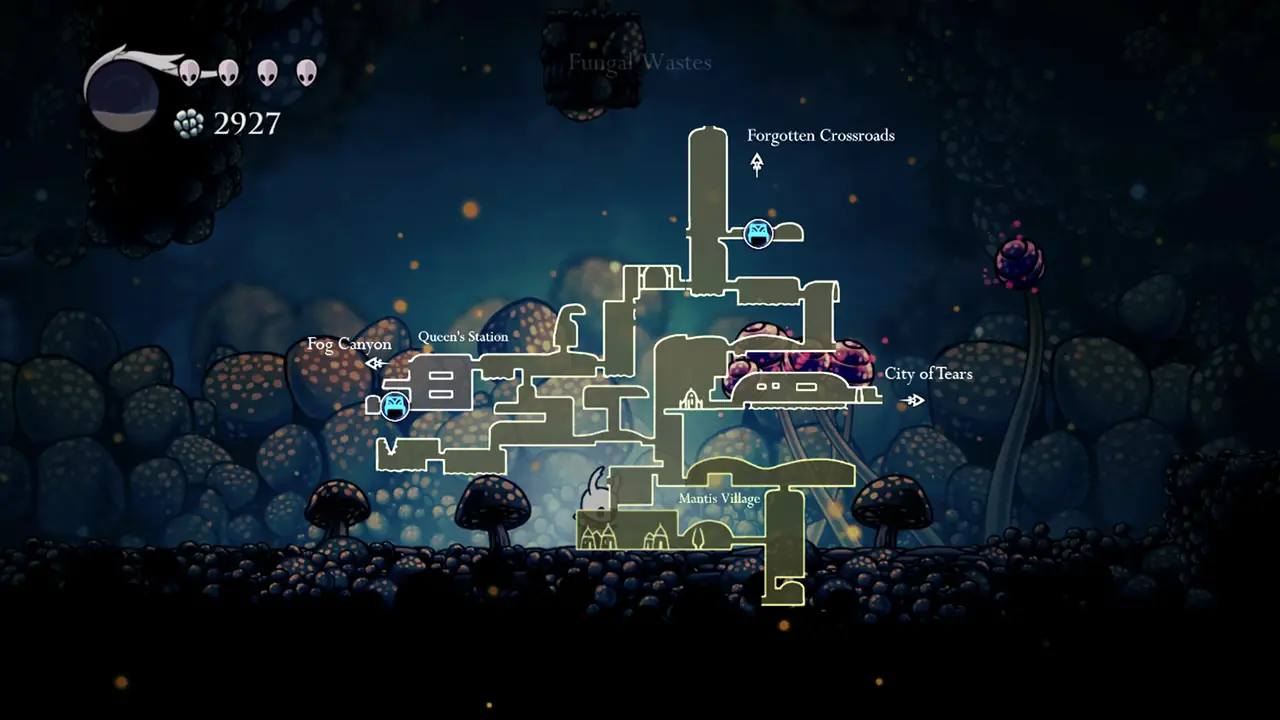 No.178Hollow Knight
01The core loop
Action → feedback → next choice- 01Spot a bounceable target
- 02Strike it from above
- 03Get launched upward
- 04Chain to the next target
↻Feedback changes the situation — the next round starts from there.
Walk through one round
A simplified design example. Situations and numbers illustrate the mechanic, not exact rules from a reference game.
- T1
Turn 1 · The situation
An 8-tile spike pit with flying bugs hovering over tiles 3 and 6; a normal jump covers 4.
- T2
Turn 2 · The player chooses
The player jumps, down-strikes the first bug, then drifts right to strike the second.
- T3
Turn 3 · The feedback
The first bounce lands; the second bug dies at 1 HP, but the bounce still fires and carries them across.
- T4
Turn 4 · The next decision
On the way back the second bug is gone, so they must find another route or wait for a respawn.
How it plays
A downward strike or stomp on a valid target cancels falling and grants a fixed upward boost, often refreshing air abilities. Levels place enemies, spikes or objects over otherwise impassable gaps as bounce points. A hit spark, crisp sound and brief hitstop confirm the bounce.
What the player weighs
- Bounce off an enemy to cross, or kill it and lose the stepping stone.
- Chained bounces are fast and high, but one mistimed strike drops you into hazards.
02Start small
Scope is an editorial estimate for the minimum prototype, not the reference game or a production schedule.
03One mechanic, different implementations
Hollow Knight
Striking down with the nail midair bounces the Knight off enemies, spikes and some objects, and certain optional areas demand long pogo chains.
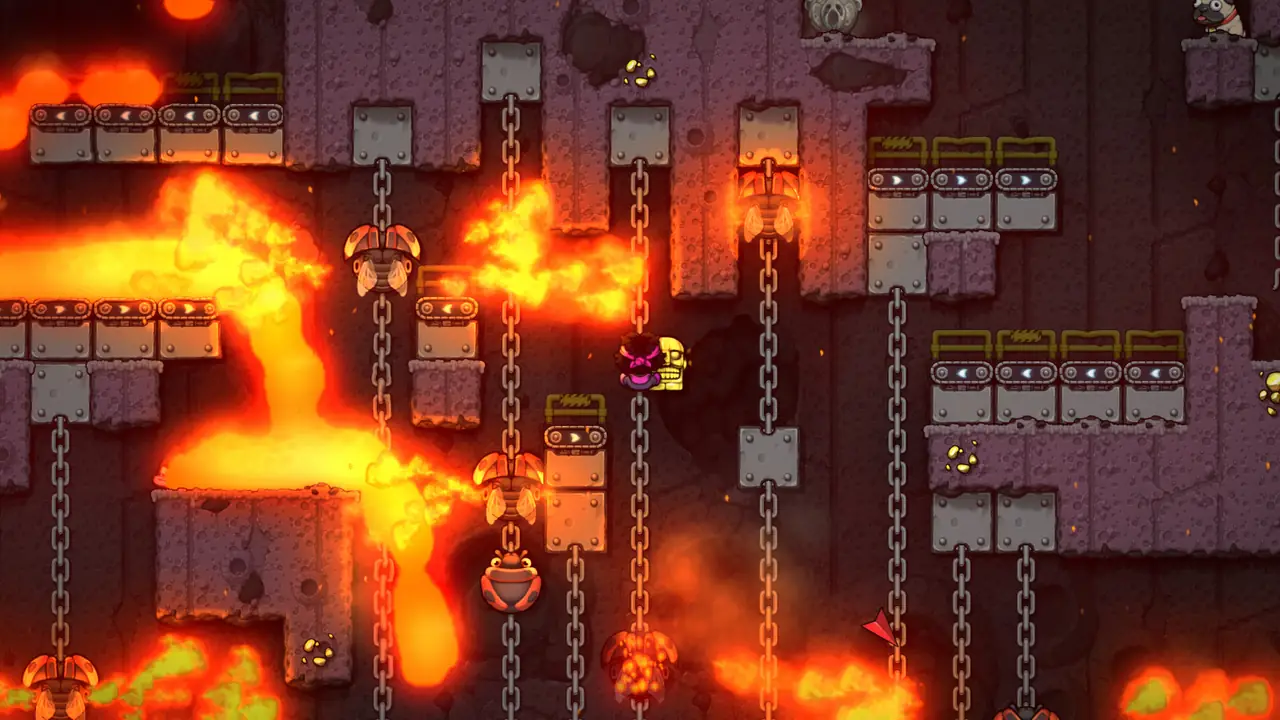
Spelunky 2
Jumping on most enemies stomps them and bounces the explorer, a free attack that also gains height in tight spots.
The difference worth noticing
Hollow Knight builds deliberate pogo platforming around a dedicated attack; Spelunky 2's stomp is an improvised tool in emergent situations.
Case notes are Yoroll editorial summaries; rules may change between versions.
04What could you combine?
Show each enemy's next move as an icon and make only enemies winding up an attack bounceable, so players read intent to plan routes.
Prototype this combo in Yoroll→Follow the next idea
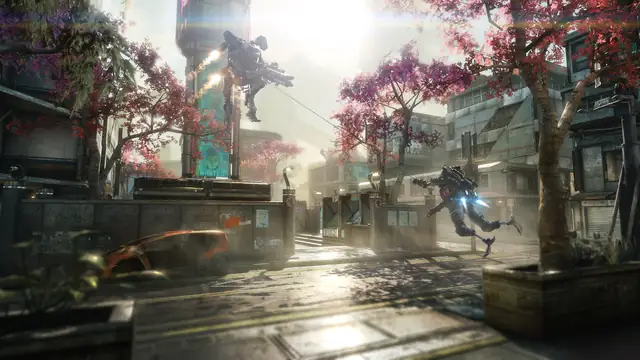
Grapple Swing and Release
Hook on, ride the arc, and let go at the right moment to fling yourself forward.
- Prototype complexity
- Who plays
- Solo decisions
- 01Aim at an anchor
- 02Hook on and swing
- 03Release at the right point
- 04Carry speed into next hook
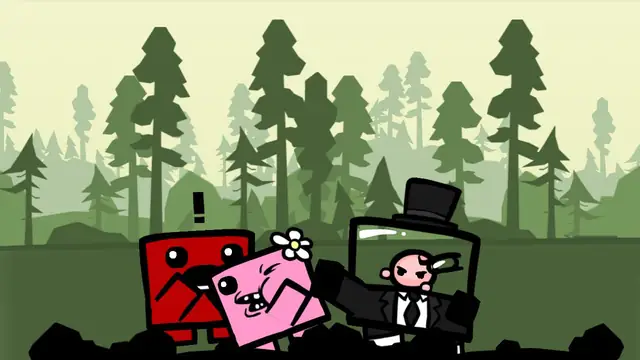
Wall-Jump Traversal
Walls become stairs: kick off one surface, steer, and catch the next.
- Prototype complexity
- Who plays
- Solo decisions
- 01Cling to slow your fall
- 02Kick away with jump
- 03Steer toward the next wall
- 04Chain kicks or land
Act While Auto-Running
The game moves you forward; your job is pressing the right action at the right time.
- Prototype complexity
- Who plays
- Solo decisions
- 01Read the incoming obstacle
- 02Pick the matching action
- 03Time the input
- 04Survive as speed rises