
Knowledge as the Key
Your character never levels up; you do, and understanding opens the dead ends.
- Prototype complexity
- Who plays
- Solo decisions
- Design focus
- Information · Discovery · Progression
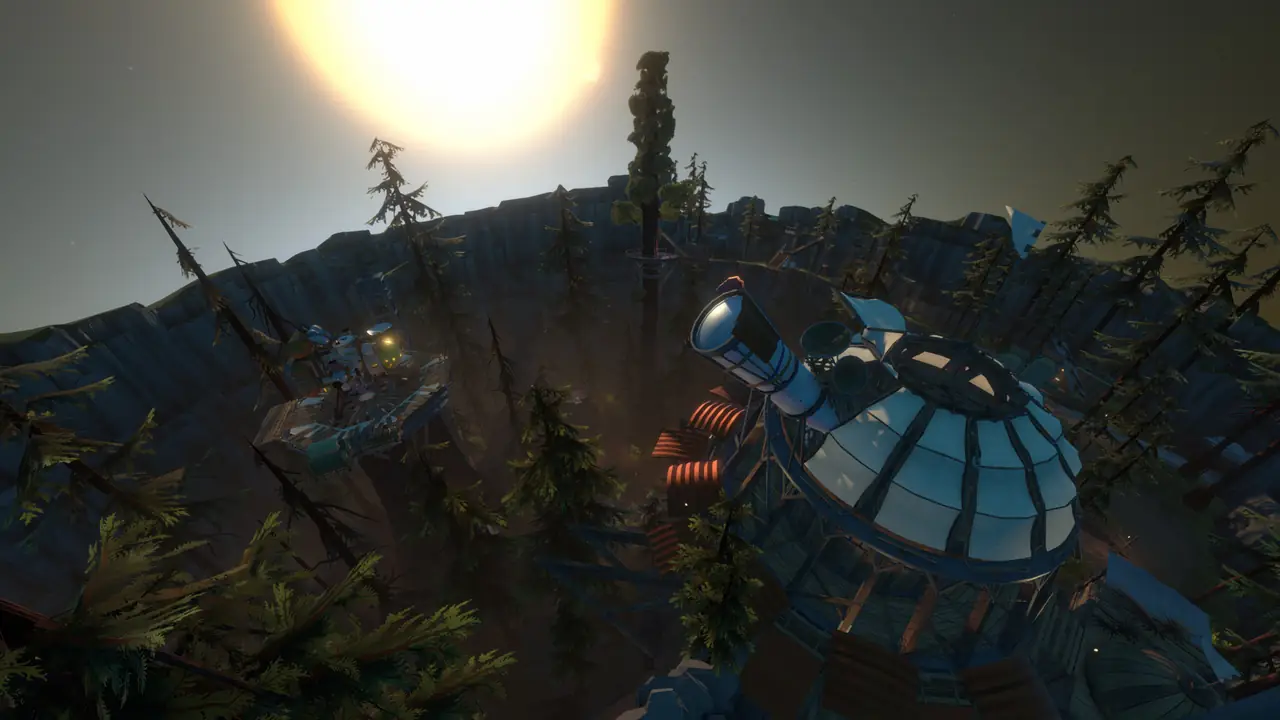 No.102Outer Wilds
01The core loop
Action → feedback → next choice- 01Hit an apparent dead end
- 02Find clues elsewhere
- 03Grasp a rule or method
- 04Return and get through
↻Feedback changes the situation — the next round starts from there.
Walk through one round
A simplified design example. Situations and numbers illustrate the mechanic, not exact rules from a reference game.
- T1
Turn 1 · The situation
A building gets buried by sand roughly every 20 minutes; the player can't find a way in.
- T2
Turn 2 · The player chooses
Rereading the log, the player notices a mural mentioning 'when the sand recedes' and goes early in the loop.
- T3
Turn 3 · The feedback
Arriving at minute 3 reveals the corridor that was buried, holding a new clue.
- T4
Turn 4 · The next decision
It points to another planet, and the log gains a new hypothesis to test.
How it plays
Progress isn't locked by gear or levels but by whether the player knows a pattern, command or route. Most places are reachable from the start but only usable with the right insight, hinted through logs, manuals or environmental detail.
What the player weighs
- Dig into one lead vs roam broadly: switching focus often unsticks you.
- Figure it out vs look it up: outside spoilers erase the reward entirely.
02Start small
Scope is an editorial estimate for the minimum prototype, not the reference game or a production schedule.
03One mechanic, different implementations
Outer Wilds
Within a roughly 22-minute loop your abilities never improve; the ship log tracks discoveries and progress depends entirely on understanding the solar system.
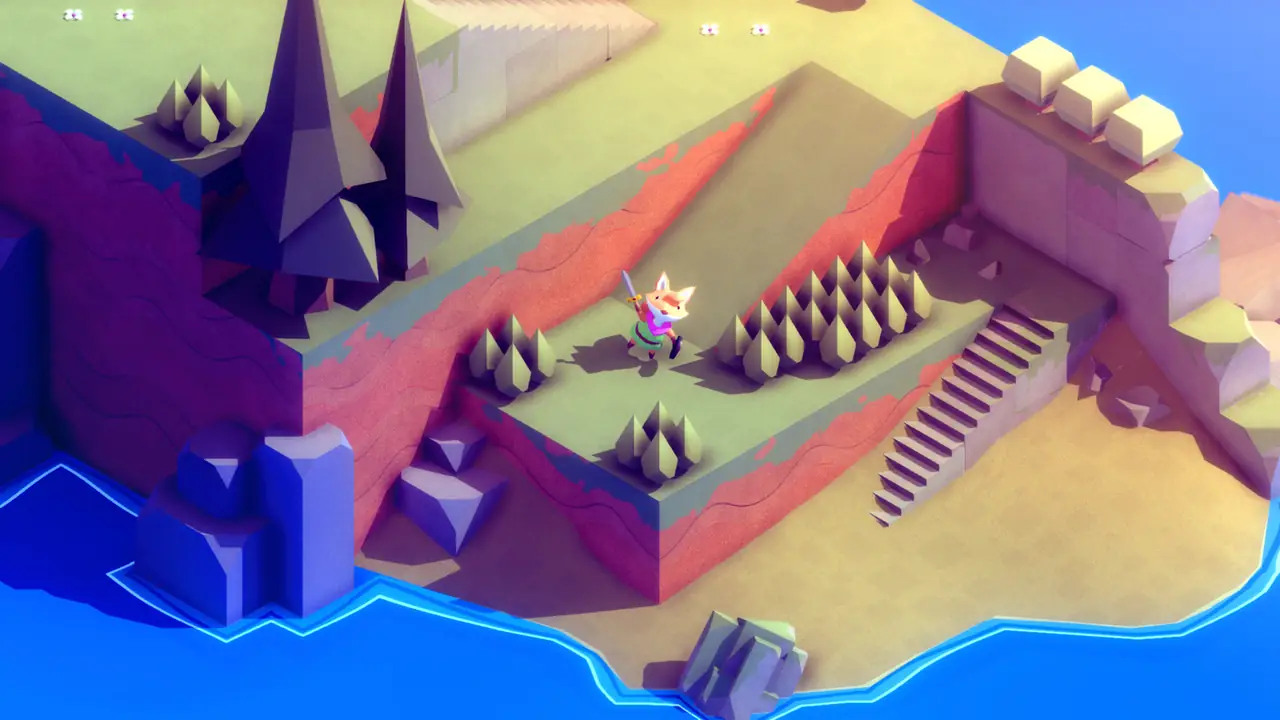
TUNIC
Players collect scattered manual pages written partly in an invented script, and many hidden mechanics were shown in the manual all along.
The difference worth noticing
Outer Wilds hides knowledge in the world's physics and history; TUNIC packages it as a game manual you assemble and decode.
Case notes are Yoroll editorial summaries; rules may change between versions.
04What could you combine?
Write core rules in an invented script; each word players decode from context unlocks a family of mechanisms.
Prototype this combo in Yoroll→Follow the next idea
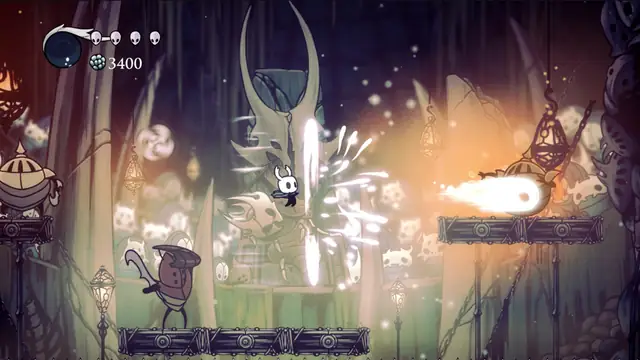
Ability Gates and Backtracking
That ledge you couldn't reach? You'll be back once you can double jump.
- Prototype complexity
- Who plays
- Solo decisions
- 01Hit an impassable obstacle
- 02Note it and move on
- 03Earn a new ability
- 04Backtrack and open it
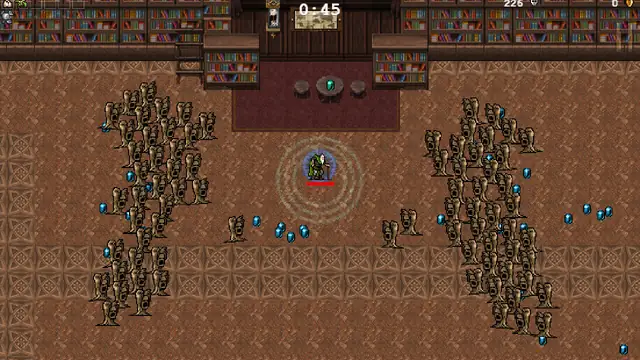
Weapon Evolution Recipes
Collect the right pair and meet the condition, and a basic weapon transforms.
- Prototype complexity
- Who plays
- Solo decisions
- 01Learn or guess a recipe
- 02Draft toward the parts
- 03Trigger the evolution
- 04Enjoy a power spike
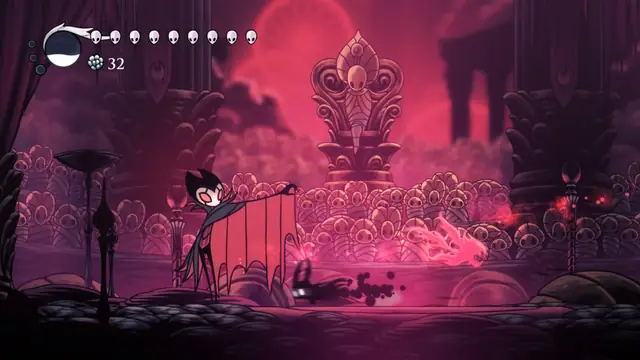
Earned Map Information
The map doesn't just appear; you buy it, find it, or draw it yourself.
- Prototype complexity
- Who plays
- Solo decisions
- 01Enter unknown ground
- 02Seek a map source
- 03The map fills in
- 04Plan routes with it