
Secrets as Leverage
Know what someone wants hidden, and they'll start doing what you ask.
- Prototype complexity
- Who plays
- Solo decisions
- Design focus
- Information · Risk · Narrative
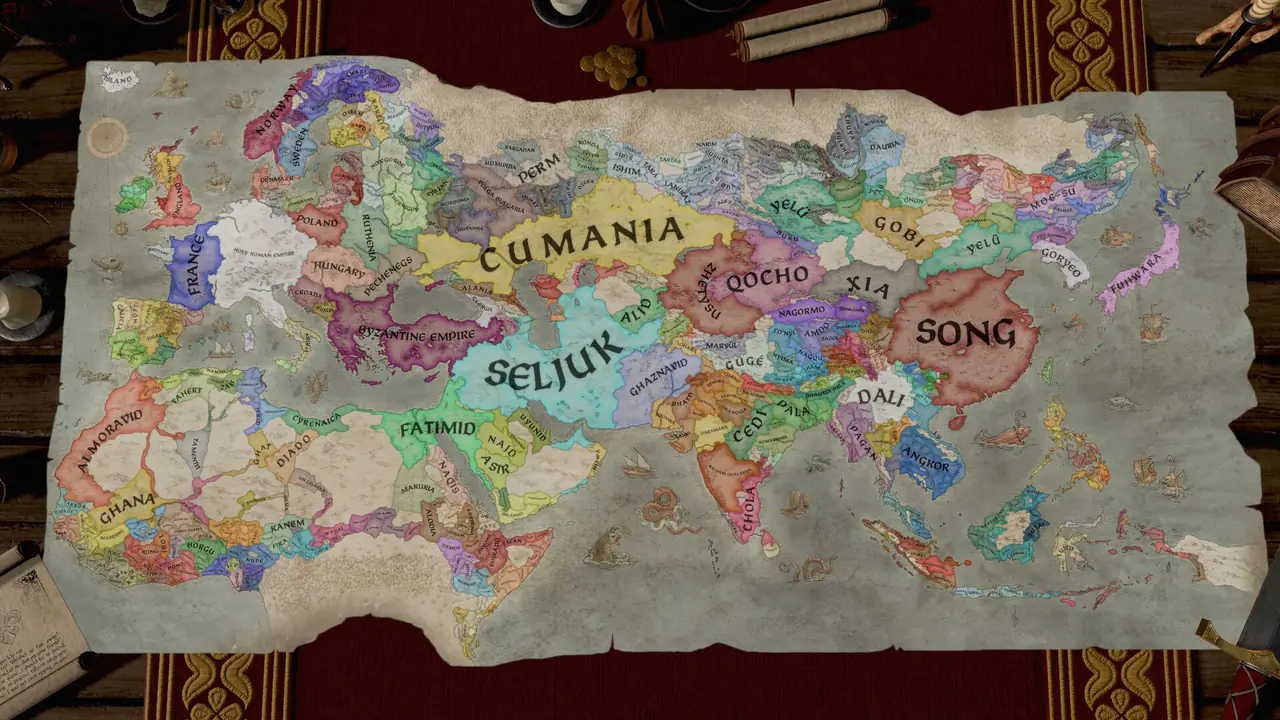 No.268Crusader Kings III
01The core loop
Action → feedback → next choice- 01Investigate a target
- 02Uncover a secret
- 03Expose or blackmail
- 04Live with the fallout
↻Feedback changes the situation — the next round starts from there.
Walk through one round
A simplified design example. Situations and numbers illustrate the mechanic, not exact rules from a reference game.
- T1
Turn 1 · The situation
You find tenant #3 hiding banned books. Reporting pays 100; blackmail yields 30 a week.
- T2
Turn 2 · The player chooses
You blackmail him, planning to report after 4 weeks.
- T3
Turn 3 · The feedback
You collect 90 over three weeks; in week four he sells furniture to pay, glaring at you.
- T4
Turn 4 · The next decision
He starts digging into you, so you weigh reporting early before he turns the tables.
How it plays
Characters hide secrets you uncover by investigating, watching or spying. A secret can be used to extract favors or revealed to others for a reward. The blackmailed may seek revenge, and exposing a secret spends its leverage.
What the player weighs
- Blackmail pays over time; exposure pays at once
- Investigation costs time and resources and may turn up nothing
02Start small
Scope is an editorial estimate for the minimum prototype, not the reference game or a production schedule.
03One mechanic, different implementations
Crusader Kings III
Spymasters and schemes uncover secrets, which you can turn into hooks to compel obedience or expose to damage the target.
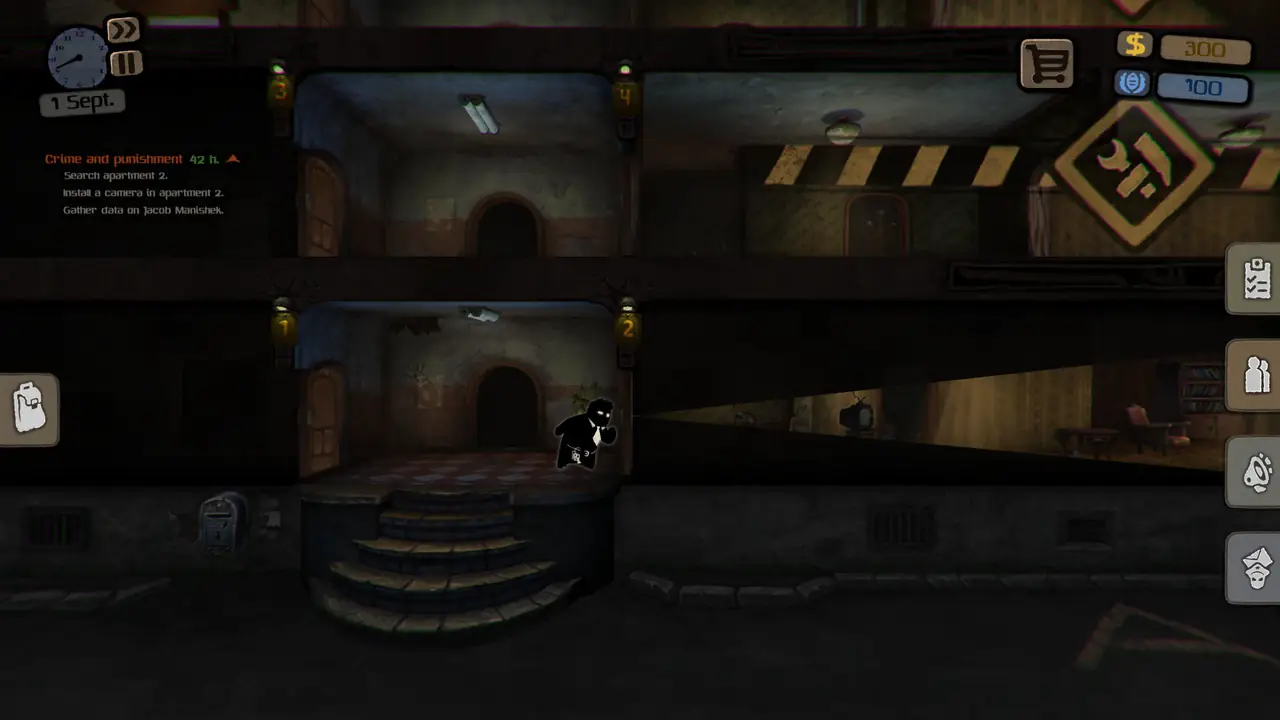
Beholder
As an apartment manager you spy on tenants for violations, then report them for money or use the info to blackmail.
The difference worth noticing
Crusader Kings III treats secrets as a grand political tool; Beholder compresses it into an everyday moral dilemma.
Case notes are Yoroll editorial summaries; rules may change between versions.
04What could you combine?
With scene deduction, players reconstruct secrets from scattered evidence themselves, and a wrong guess smears an innocent and costs credibility.
Prototype this combo in Yoroll→Follow the next idea

Dialogue Persuasion Checks
Whether a line lands depends on your skills—and a little luck.
- Prototype complexity
- Who plays
- Solo decisions
- 01A check option appears
- 02Assess the odds
- 03Roll or resolve
- 04The story branches

Companion Approval
Your companions watch every choice, and they keep score.
- Prototype complexity
- Who plays
- Solo decisions
- 01Face a choice
- 02Decide
- 03Companions approve or object
- 04Shifts reshape the party
Faction Reputation
Help one side, and the other side remembers.
- Prototype complexity
- Who plays
- Solo decisions
- 01Take a faction job
- 02Complete or betray
- 03Reputation shifts
- 04Gain or lose access