
Streak Multiplier
The multiplier climbs and pays more each step, and one slip sends it to zero.
- Prototype complexity
- Who plays
- Solo decisions
- Design focus
- Timing · Risk · Progression
 No.210Metal: Hellsinger
01The core loop
Action → feedback → next choice- 01Hit beats accurately
- 02Multiplier climbs
- 03Rewards scale up
- 04A miss resets it
↻Feedback changes the situation — the next round starts from there.
Walk through one round
A simplified design example. Situations and numbers illustrate the mechanic, not exact rules from a reference game.
- T1
Turn 1 · The situation
Multiplier at x8, enemies ahead, ten more hits to the next tier.
- T2
Turn 2 · The player chooses
Slow down and only shoot on beats you're sure of.
- T3
Turn 3 · The feedback
Multiplier hits x16, vocals kick in and damage doubles.
- T4
Turn 4 · The next decision
The boss arrives; hold the streak under pressure.
How it plays
Consecutive accurate inputs raise a multiplier that scales score, damage or coins. A miss resets or slashes it. At high levels the music or visuals usually intensify, giving strong positive feedback.
What the player weighs
- Play safe to keep the streak or risk faster kills
- Cash in now or wait for a bigger multiplier
02Start small
Scope is an editorial estimate for the minimum prototype, not the reference game or a production schedule.
03One mechanic, different implementations
Metal: Hellsinger
The Fury multiplier rises to 16x with on-beat kills, and higher tiers add music layers, with vocals arriving only at the top.
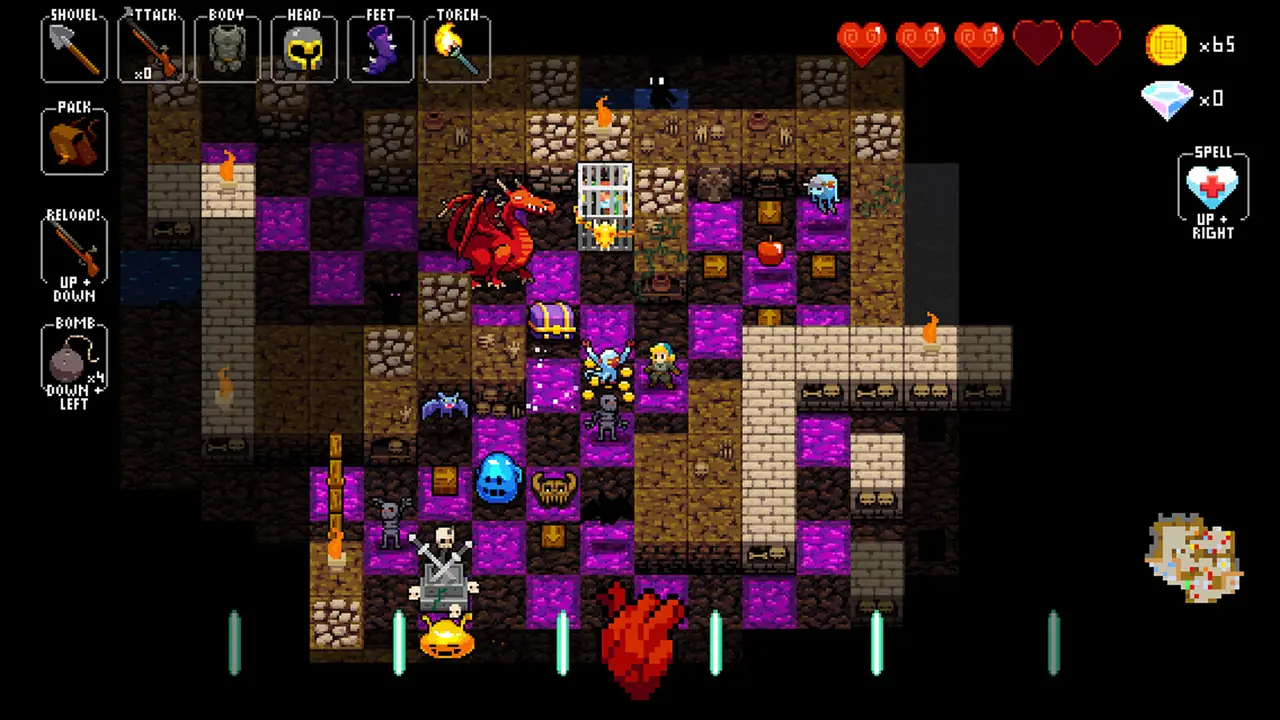
Crypt of the NecroDancer
Chaining kills without missing a beat raises the coin multiplier, which resets on a missed beat or when you take damage.
The difference worth noticing
Metal: Hellsinger's multiplier mainly drives audiovisual and damage feedback; NecroDancer converts it straight into economy.
Case notes are Yoroll editorial summaries; rules may change between versions.
04What could you combine?
Treat the multiplier as loadout points: higher streaks unlock more ability slots, and a miss instantly shuts off the priciest one.
Prototype this combo in Yoroll→Follow the next idea

Cue and Response
The cue sets the pattern; you press on the beat it leaves unsaid.
- Prototype complexity
- Who plays
- Solo decisions
- 01Hear the cue pattern
- 02Count to the target beat
- 03Input on the target
- 04Get feedback and adjust
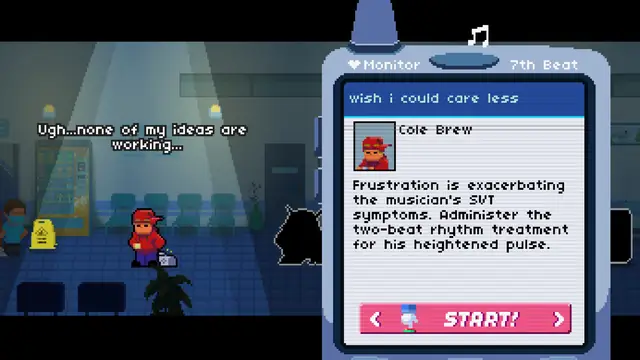
Keeping Time in the Dark
The screen goes dark and the cues vanish; only your inner beat remains.
- Prototype complexity
- Who plays
- Solo decisions
- 01Show visible cues first
- 02Cues fade away
- 03Input from memory and music
- 04Cues return to check
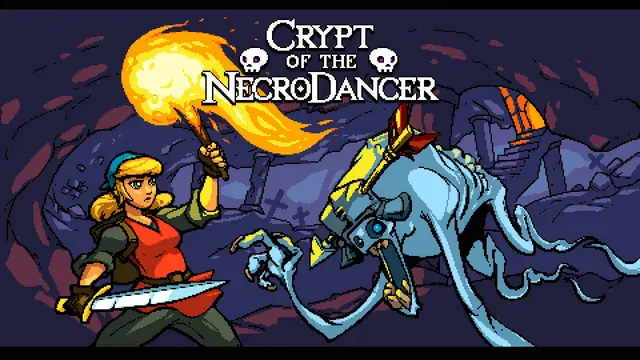
Moving on the Beat
Every step and strike lands on the beat; the music is your turn timer.
- Prototype complexity
- Who plays
- Solo decisions
- 01Hear the beat
- 02Input on the beat
- 03Gain a bonus or penalty
- 04Plan the next beat