
Cooking to the Judge
Judges have tastes, and your dish must hit them as closely as possible within the time.
- Prototype complexity
- Who plays
- Solo decisions
- Design focus
- Optimization · Information · Creativity
 No.050Battle Chef Brigade Deluxe
01The core loop
Action → feedback → next choice- 01Learn the judge's tastes
- 02Pick and combine ingredients
- 03Tune the flavor balance
- 04Serve and get scored
↻Feedback changes the situation — the next round starts from there.
Walk through one round
A simplified design example. Situations and numbers illustrate the mechanic, not exact rules from a reference game.
- T1
Turn 1 · The situation
The judge likes Fire and full marks need at least 6; the player has Fire 3, Fire 2 and Water 4 ingredients.
- T2
Turn 2 · The player chooses
They add Fire 3 and Fire 2, then merge up an extra Fire 2 to reach Fire 7.
- T3
Turn 3 · The feedback
The main dish scores full, but the unused Water 4 wasted a gathering trip.
- T4
Turn 4 · The next decision
Next round the judge prefers Water, and the player regrets not saving that ingredient.
How it plays
Each judge or customer favors certain flavor dimensions, like spicy, sweet or an element. Ingredients carry flavor values that add or interact when combined, and the dish is scored by closeness to the target. Judge reactions, comments and sub-scores show where it fell short.
What the player weighs
- Perfectly suit one judge, or make something decent for both.
- Chase points with rare ingredients, or play safe with reliable ones.
02Start small
Scope is an editorial estimate for the minimum prototype, not the reference game or a production schedule.
03One mechanic, different implementations
Battle Chef Brigade Deluxe
Players fight monsters for ingredients, then combine flavor gems in a match-three cooking grid, with judges favoring elements like fire, water or earth.
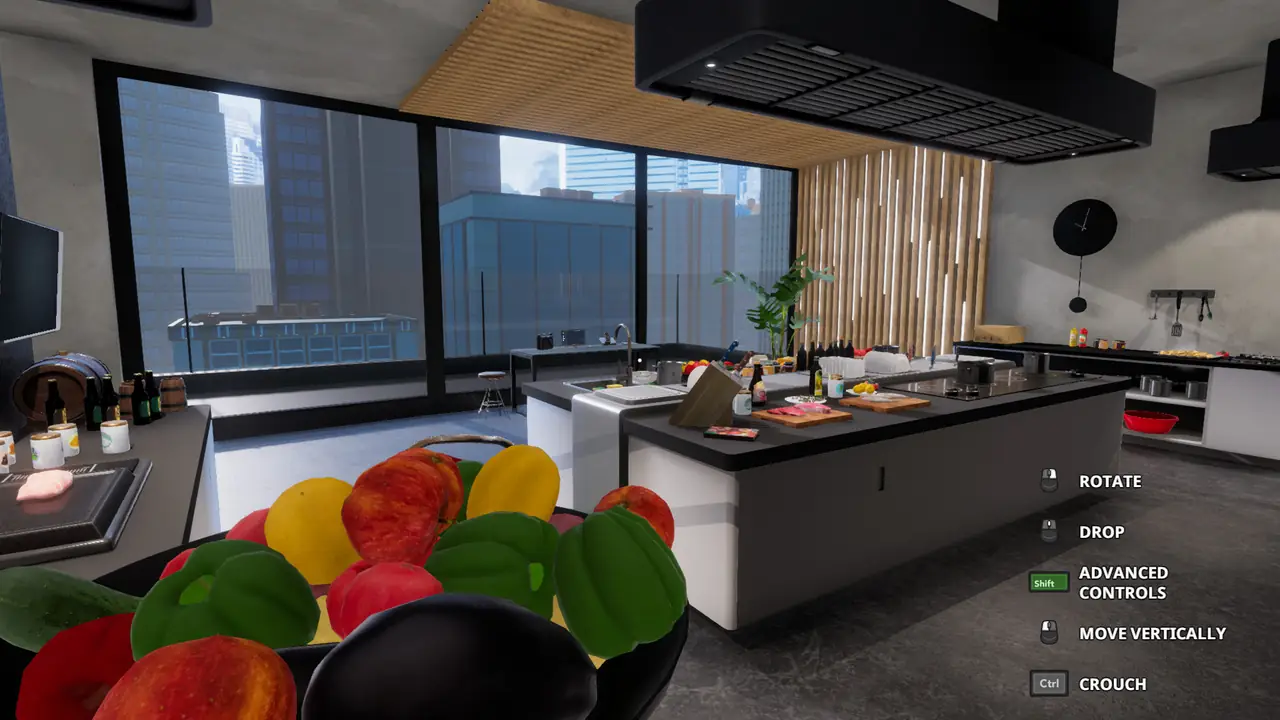
Cooking Simulator
Dishes earn stars by matching the recipe, with doneness, seasoning and ingredient deviations all affecting the score.
The difference worth noticing
Battle Chef Brigade scores against judges' abstract preferences; Cooking Simulator checks against a realistic answer key.
Case notes are Yoroll editorial summaries; rules may change between versions.
04What could you combine?
Judges don't state preferences; players deduce them from table leftovers, old menus and small talk.
Prototype this combo in Yoroll→Follow the next idea

Ingredient Substitution
The recipe wants ‘some meat’, not one specific cut, so you cook with what's on hand.
- Prototype complexity
- Who plays
- Solo decisions
- 01Check category requirements
- 02Count what's on hand
- 03Pick the cheapest substitute
- 04Get the dish and its variance

Meal Buff Loadouts
What you eat before heading out decides how much you can take and how far you can go.
- Prototype complexity
- Who plays
- Solo decisions
- 01Assess the next outing
- 02Pick a meal combo
- 03Head out buffed
- 04Return before buffs fade
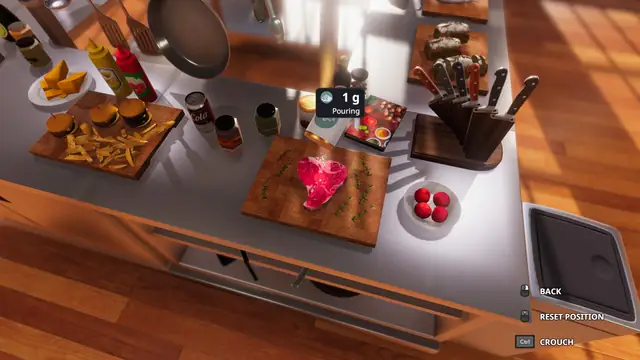
Measured Dosing
A gram too much or too little changes the result, so pouring becomes a craft.
- Prototype complexity
- Who plays
- Solo decisions
- 01Read the target amount
- 02Pour or weigh by hand
- 03Check the reading
- 04Score by deviation