
Fertilizer Investment
Fertilizer buys faster growth or better quality; whether it pays depends on your math.
- Prototype complexity
- Who plays
- Solo decisions
- Design focus
- Economy · Optimization
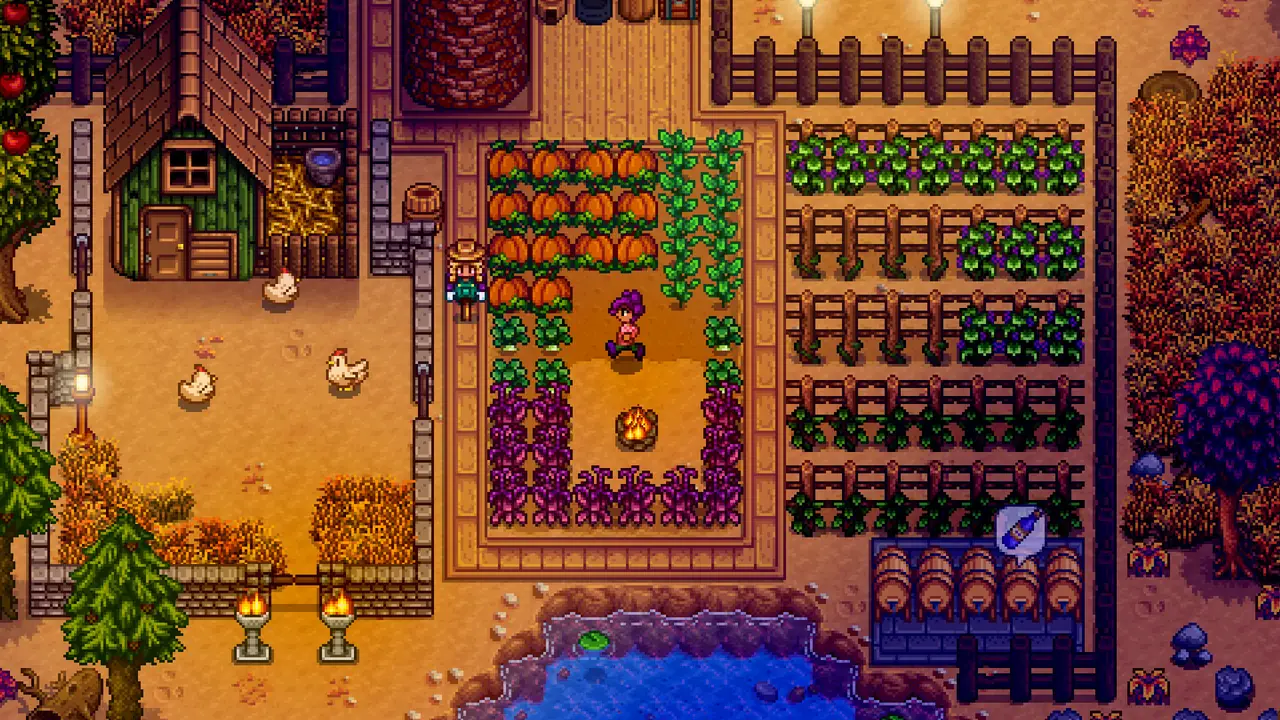 No.224Stardew Valley
01The core loop
Action → feedback → next choice- 01Estimate crop returns
- 02Pick a fertilizer
- 03Fertilize and plant
- 04Compare yield and cost
↻Feedback changes the situation — the next round starts from there.
Walk through one round
A simplified design example. Situations and numbers illustrate the mechanic, not exact rules from a reference game.
- T1
Turn 1 · The situation
A crop ripens in 15 days for 100; speed fertilizer cuts it to 12 days, quality fertilizer raises premium odds from 10% to 40% (premium sells for 150).
- T2
Turn 2 · The player chooses
With 24 days left, the player picks speed fertilizer.
- T3
Turn 3 · The feedback
The speedup fits two harvests instead of one, adding roughly a full round of income.
- T4
Turn 4 · The next decision
Later they grow a crop whose cycle already divides the season evenly, so speed adds no round and they switch to quality fertilizer.
How it plays
Fertilizers differ: some raise quality odds, some shorten growth, some reduce watering, and a tile usually takes only one. Players match fertilizer to each crop's value and cycle, deciding which to use where. Quality stars at harvest and earlier ripening dates are the feedback.
What the player weighs
- Fertilizing high-value crops pays more but concentrates risk.
- Quality or speed: one more harvest, or higher prices per item.
02Start small
Scope is an editorial estimate for the minimum prototype, not the reference game or a production schedule.
03One mechanic, different implementations
Stardew Valley
Fertilizers fall into quality, growth-speed and water-retaining types, one per tile, and players often match them to crops and days left in the season.
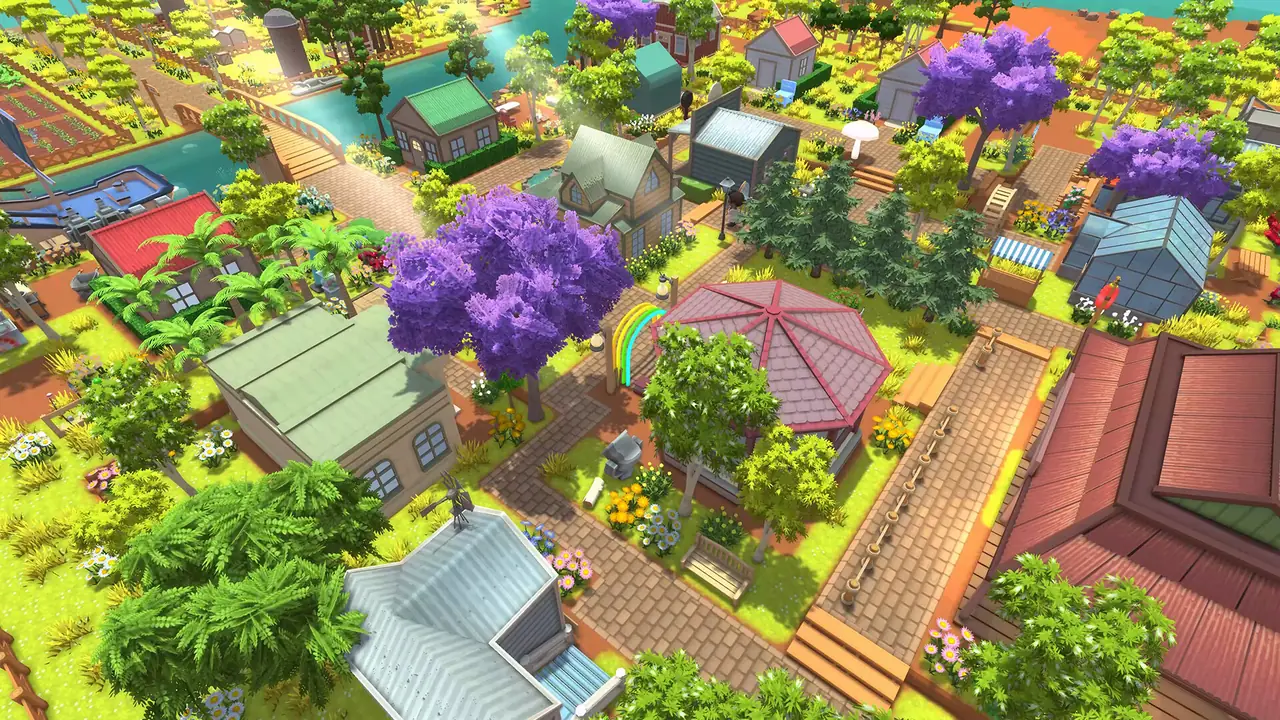
Dinkum
As I recall it also offers fertilizer to help crops grow, though the system is simpler than Stardew Valley's.
The difference worth noticing
Stardew Valley makes fertilizer a branching investment choice; in Dinkum it's closer to a simple boost.
Case notes are Yoroll editorial summaries; rules may change between versions.
04What could you combine?
Source fertilizer from wild forage nodes that respawn on a schedule, so players plan gathering routes alongside fertilizing.
Prototype this combo in Yoroll→Follow the next idea
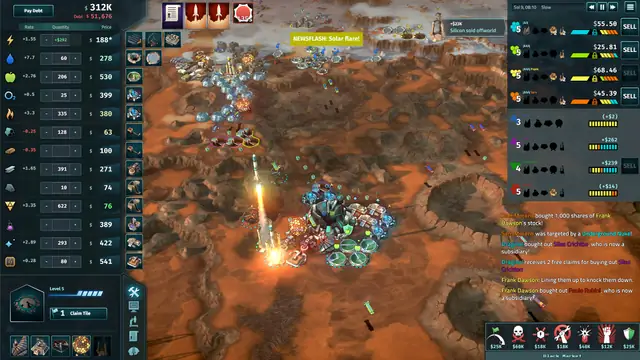
Supply-Driven Prices
Flood the market and prices fall; every sale moves the market.
- Prototype complexity
- Who plays
- Solo decisions
- 01Produce or stockpile
- 02Watch the price curve
- 03Sell at the right moment
- 04Your sale moves the price
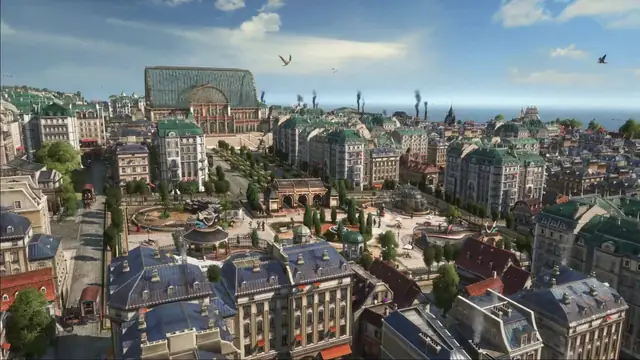
Program the Route
Turn hauling into a schedule and let the fleet run it day and night.
- Prototype complexity
- Who plays
- Solo decisions
- 01Pick the stops
- 02Set load and unload rules
- 03Fleet runs on its own
- 04Tune by shortages

Irrigation Coverage
Sprinkler coverage shapes decide how fields are laid out, and every gap is waste.
- Prototype complexity
- Who plays
- Solo decisions
- 01Learn each device's coverage
- 02Plan the field layout
- 03Place irrigation
- 04Fix uncovered tiles