
Crop–Soil Matching
Seeds are picky; find the right ground and only then will they sprout.
- Prototype complexity
- Who plays
- Solo decisions
- Design focus
- Spatial · Discovery · Planning
 No.227Core Keeper
01The core loop
Action → feedback → next choice- 01Obtain a new seed
- 02Learn its required ground
- 03Find or make that ground
- 04Plant and harvest
↻Feedback changes the situation — the next round starts from there.
Walk through one round
A simplified design example. Situations and numbers illustrate the mechanic, not exact rules from a reference game.
- T1
Turn 1 · The situation
The player gets an herb seed that only grows on sand; the desert is 3 minutes from base.
- T2
Turn 2 · The player chooses
They dig 10 sand blocks and build a small bed at home.
- T3
Turn 3 · The feedback
The herb sprouts, and future harvests no longer need desert trips.
- T4
Turn 4 · The next decision
The next seed needs grass from a special biome, so they consider building an artificial patch at base.
How it plays
Different crops grow only on specific blocks or terrain, like sand, snow or a biome's grass. Players either plant in that region or haul the ground home to build a mixed garden. Failed-placement cues and ground icons in seed descriptions are the main feedback.
What the player weighs
- Planting in the wild is easy but hard to tend.
- Bringing ground home is convenient but costs mining and hauling time.
02Start small
Scope is an editorial estimate for the minimum prototype, not the reference game or a production schedule.
03One mechanic, different implementations
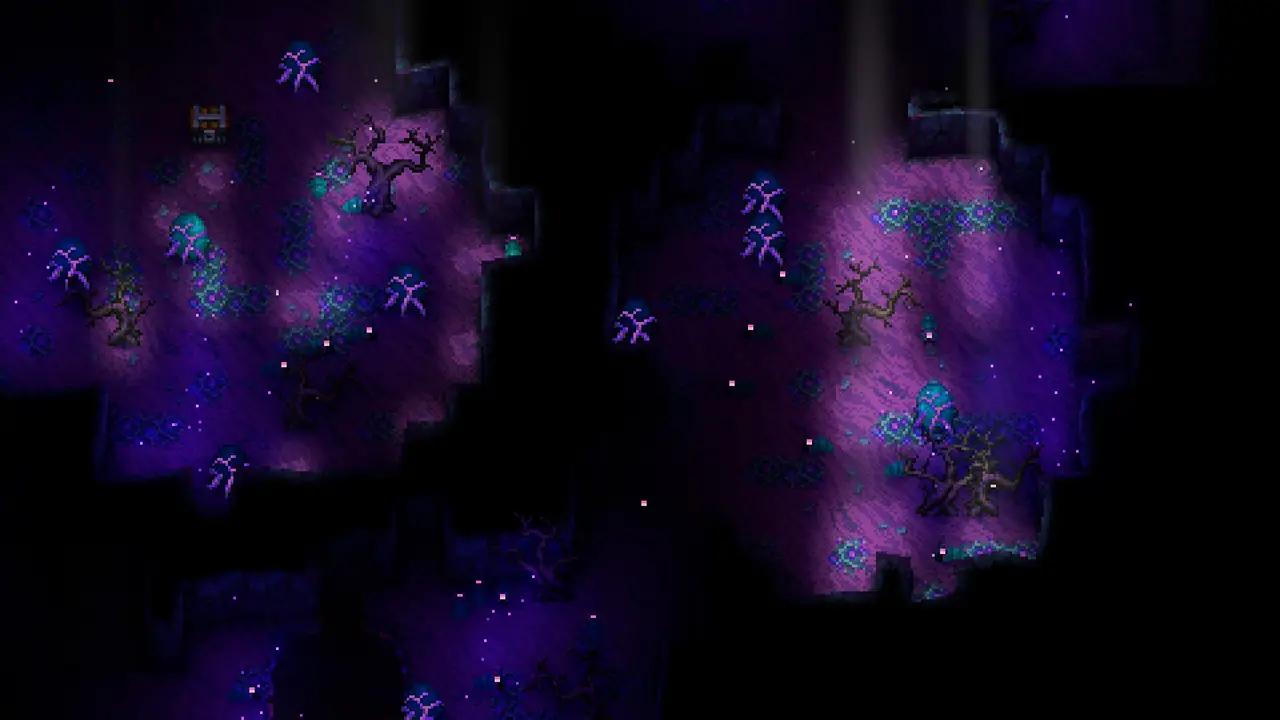
Core Keeper
Different biomes yield different wild crop seeds; as I recall most need tilled ground, but I'm not certain whether specific soil types are strictly required.
Terraria
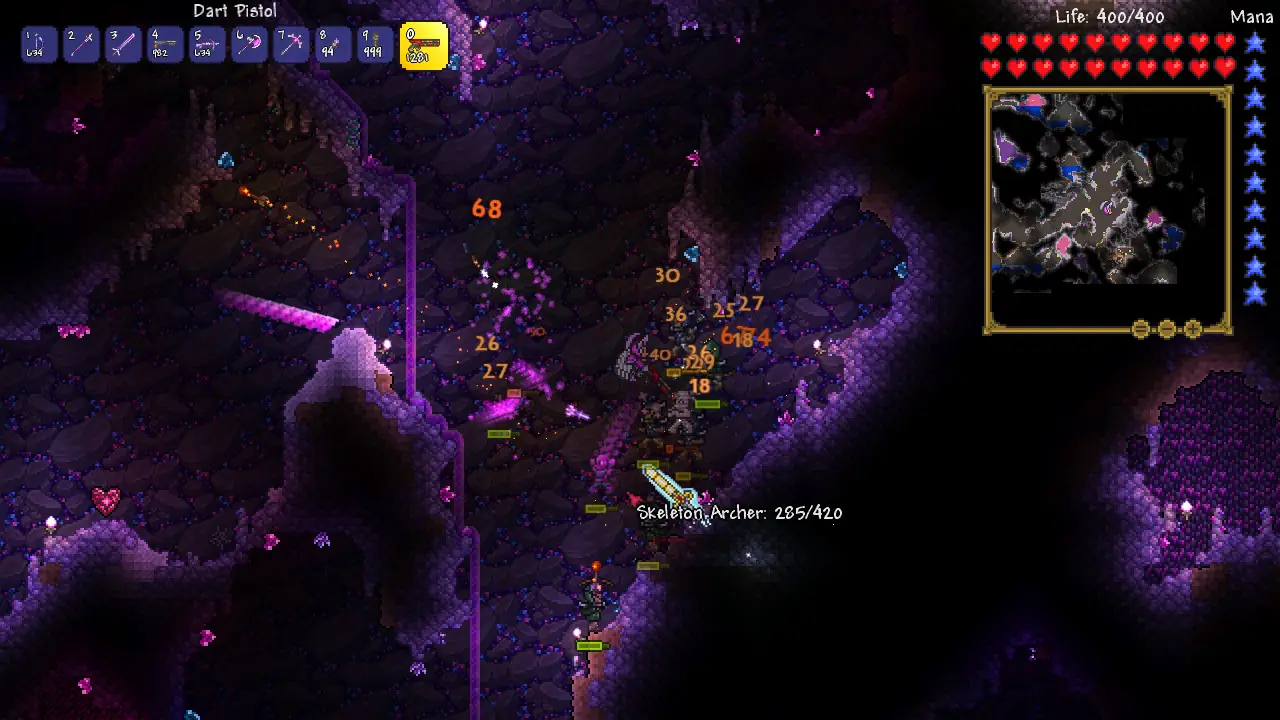
Seven herbs each need specific blocks, such as Daybloom on grass, Moonglow on jungle grass and Fireblossom on ash, and players often use planter boxes to grow them at base.
The difference worth noticing
Terraria ties planting to terrain through explicit block rules; Core Keeper links it more through where seeds are found.
Case notes are Yoroll editorial summaries; rules may change between versions.
04What could you combine?
Place soils for different crops at different depths, so players mine to the right layer and bring that soil up to the farm.
Prototype this combo in Yoroll→Follow the next idea
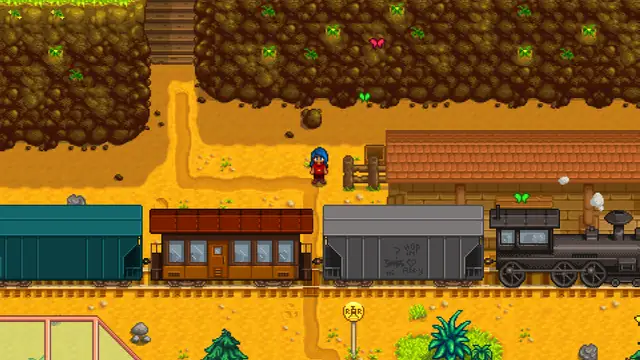
Crop Protection
Animals and weather can ruin crops; protective structures let you sleep easy.
- Prototype complexity
- Who plays
- Solo decisions
- 01Identify the threat
- 02Place protection
- 03Check for damage
- 04Patch gaps in defense
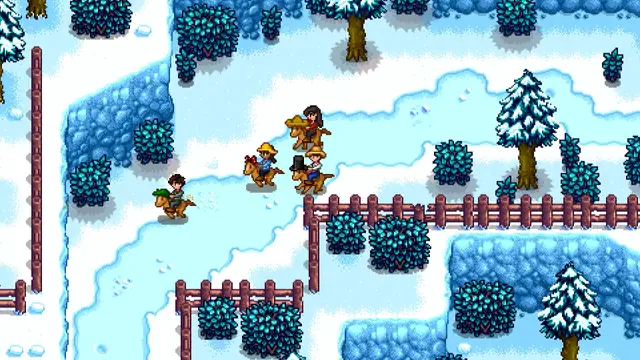
Irrigation Coverage
Sprinkler coverage shapes decide how fields are laid out, and every gap is waste.
- Prototype complexity
- Who plays
- Solo decisions
- 01Learn each device's coverage
- 02Plan the field layout
- 03Place irrigation
- 04Fix uncovered tiles
Roads and Entrances
A building isn't open until a road reaches its door.
- Prototype complexity
- Who plays
- Solo decisions
- 01Plan a building spot
- 02Connect a road
- 03Check flow and jams
- 04Reroute or widen