
Slots and Stack Limits
Space counts in slots with stack caps; the more clutter, the less room for what matters.
- Prototype complexity
- Who plays
- Solo decisions
- Design focus
- Planning · Optimization · Economy
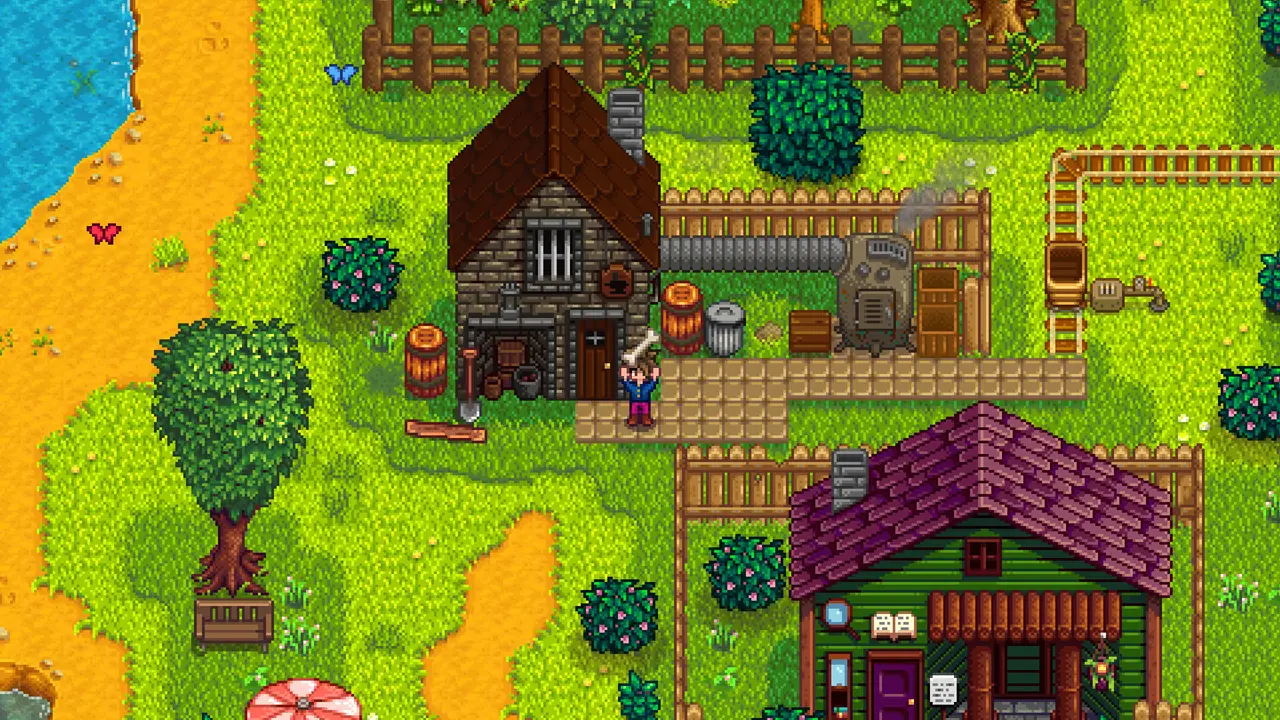 No.244Stardew Valley
01The core loop
Action → feedback → next choice- 01Gather many item types
- 02Slots fill up
- 03Store, sell or toss
- 04Upgrade for more slots
↻Feedback changes the situation — the next round starts from there.
Walk through one round
A simplified design example. Situations and numbers illustrate the mechanic, not exact rules from a reference game.
- T1
Turn 1 · The situation
Two of 24 slots free with 3 mine floors to go, each dropping about 4 ore types.
- T2
Turn 2 · The player chooses
The player tosses a stack of cheap stone and merges two gems into existing stacks.
- T3
Turn 3 · The feedback
Four slots free up, two more floors are cleared, and the haul is about 30% bigger.
- T4
Turn 4 · The next decision
The player decides to save up for a bigger backpack.
How it plays
The bag holds a fixed number of slots; identical items stack to a cap and different items each take a slot. Variety fills it fast, so players make storage runs and treat expansions as major rewards.
What the player weighs
- Carry tools vs room for loot: every tool brought is one less slot for haul.
- Head home to sort vs keep gathering: travel costs time but a full bag wastes finds.
02Start small
Scope is an editorial estimate for the minimum prototype, not the reference game or a production schedule.
03One mechanic, different implementations
Stardew Valley
The backpack starts at 12 slots and can be upgraded twice to 36, most items stack, and chests provide extra storage.
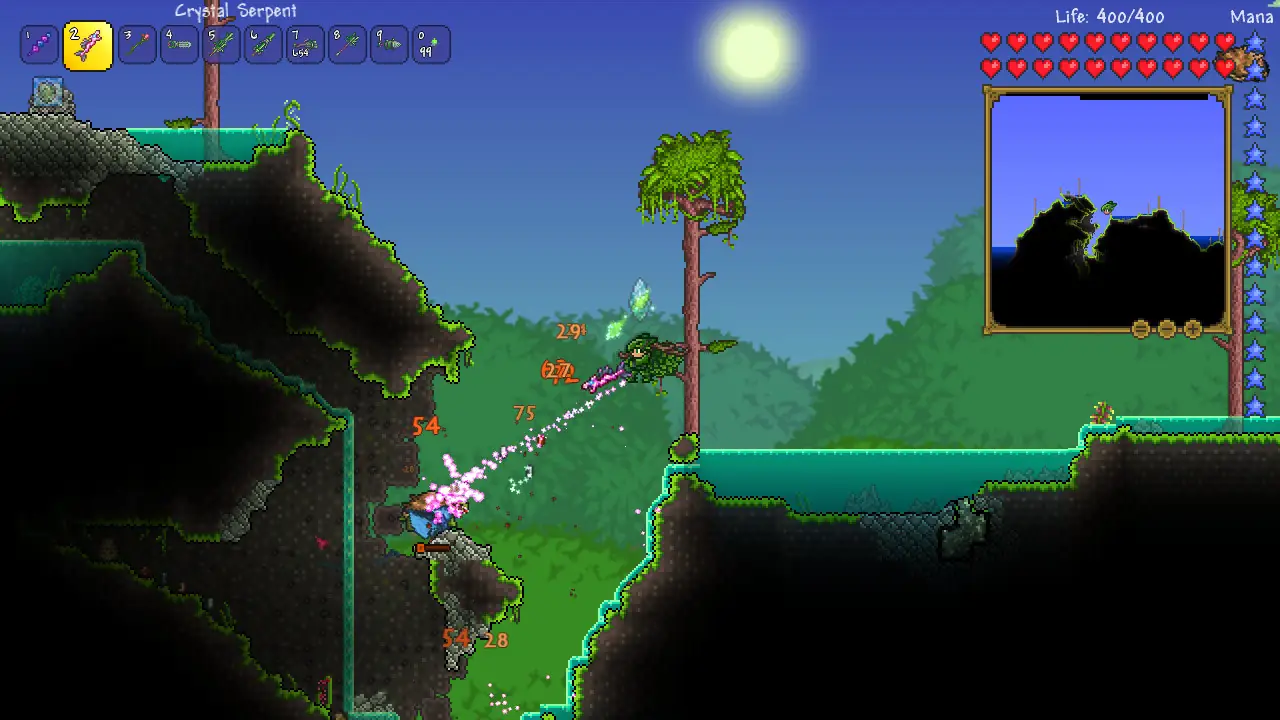
Terraria
The main inventory has a fixed slot count, materials stack in large numbers, and recent updates raised many stack limits considerably.
The difference worth noticing
Stardew sells backpack expansions as economic progress; Terraria's slot count is fixed, so pressure is relieved through storage and sorting tools.
Case notes are Yoroll editorial summaries; rules may change between versions.
04What could you combine?
Set a gathering quota per trip; meeting it unlocks temporary slots, tempting players to push past the quota.
Prototype this combo in Yoroll→Follow the next idea
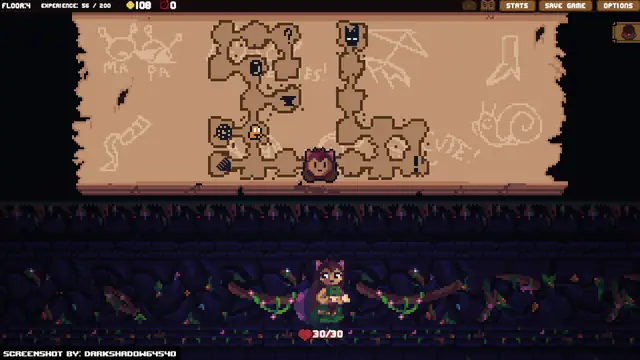
Adjacency Bonuses
Where an item sits matters; the same gear can be weak or great depending on its neighbors.
- Prototype complexity
- Who plays
- Solo decisions
- 01Get an item with a neighbor effect
- 02Try different placements
- 03Watch stats change
- 04Rebuild around a core
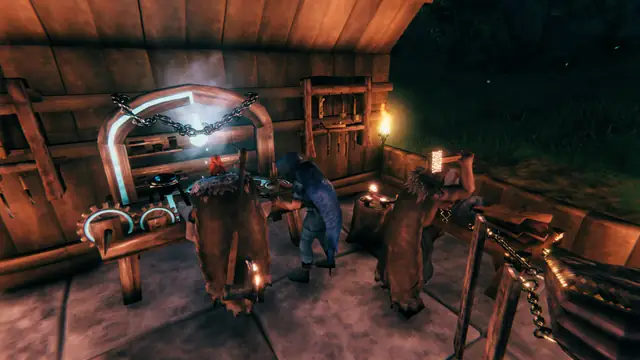
Corpse Run Recovery
Death doesn't erase your stuff; it waits where you fell, if you dare go back.
- Prototype complexity
- Who plays
- Solo decisions
- 01Die and drop resources
- 02Respawn at a safe point
- 03Travel back to the spot
- 04Recover or lose it again
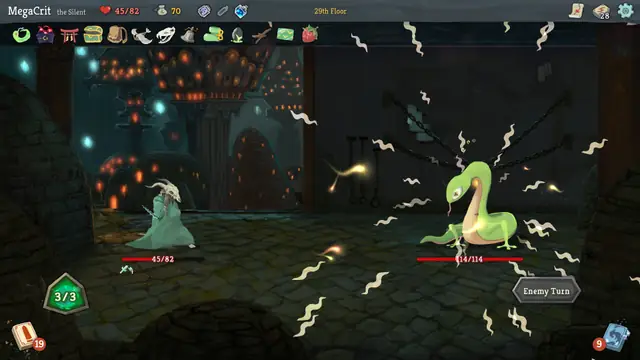
Deck Thinning
A leaner deck draws your best cards more often; removing can beat adding.
- Prototype complexity
- Who plays
- Solo decisions
- 01Spot weak cards
- 02Pay or use events to remove
- 03Deck density rises
- 04Key cards show up sooner