
Instant Short Retries
Death costs a second and a screen, so you keep trying until it clicks.
- Prototype complexity
- Who plays
- Solo decisions
- Design focus
- Precision · Timing · Information
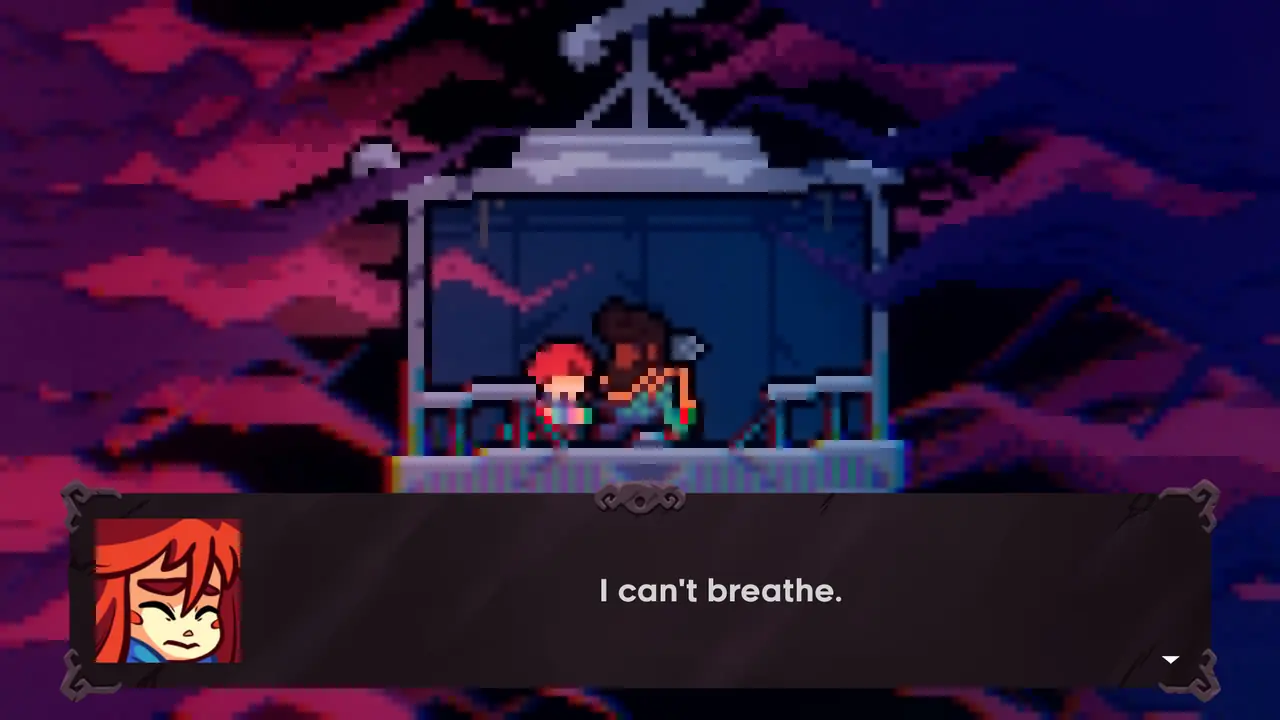 No.181Celeste
01The core loop
Action → feedback → next choice- 01Attempt the segment
- 02Fail and respawn instantly
- 03Adjust one detail
- 04Clear and move on
↻Feedback changes the situation — the next round starts from there.
Walk through one round
A simplified design example. Situations and numbers illustrate the mechanic, not exact rules from a reference game.
- T1
Turn 1 · The situation
A segment has three saws; the player has died 14 times at the second.
- T2
Turn 2 · The player chooses
Instead of rushing, they wait one saw cycle (about 1.2 s) on a safe ledge.
- T3
Turn 3 · The feedback
The wait lines them up with a gap, and they pass the second saw for the first time.
- T4
Turn 4 · The next decision
Three deaths later they clear it, and the next segment adds a faster saw that punishes waiting.
How it plays
Levels are cut into short segments, each starting at a checkpoint; dying restarts the segment in under a second with no penalty beyond the attempt. Because failure is cheap, each segment can be very hard. A death counter, snappy respawn and sometimes a replay of all attempts frame failure as progress.
What the player weighs
- Retry immediately on muscle memory, or pause to study the segment.
- Take the safe line, or chase a collectible you must survive to keep.
02Start small
Scope is an editorial estimate for the minimum prototype, not the reference game or a production schedule.
03One mechanic, different implementations
Celeste
Each screen is its own checkpoint, respawns are near-instant and death counts are shown openly; Assist Mode lets players tune difficulty further.
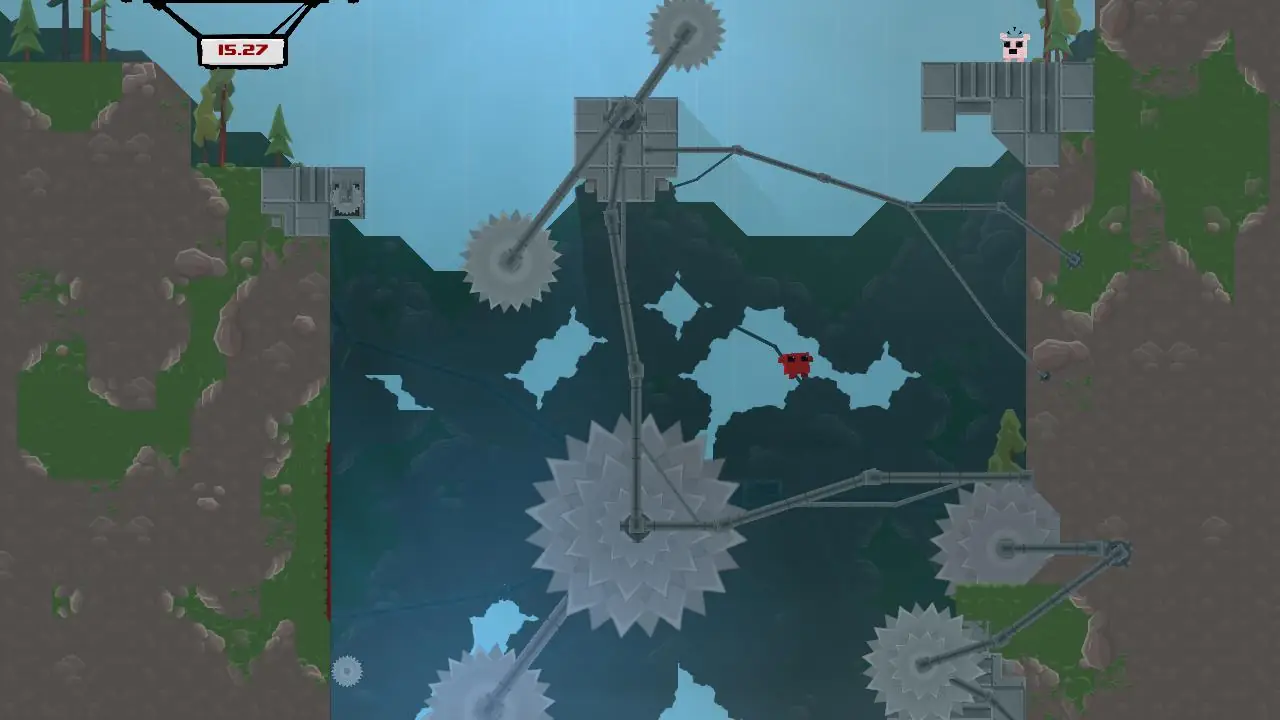
Super Meat Boy
Levels are short and respawns instant; on completion a replay shows every attempt at once, turning hundreds of deaths into a spectacle.
The difference worth noticing
Celeste segments long chapters by screen; Super Meat Boy makes each whole level the segment and celebrates failure with the replay.
Case notes are Yoroll editorial summaries; rules may change between versions.
04What could you combine?
Leave a faint ghost wherever you died, so players infer hidden rules, like which tiles are unsafe, from their own failure history.
Prototype this combo in Yoroll→Follow the next idea
Act While Auto-Running
The game moves you forward; your job is pressing the right action at the right time.
- Prototype complexity
- Who plays
- Solo decisions
- 01Read the incoming obstacle
- 02Pick the matching action
- 03Time the input
- 04Survive as speed rises
Run–Walk Speed Control
Choosing fast or careful movement changes how far you reach and where you land.
- Prototype complexity
- Who plays
- Solo decisions
- 01Read the next obstacle
- 02Pick run or walk
- 03Jump with that momentum
- 04Land and adjust speed
Bounce Off Targets
Striking an enemy or hazard from above launches you, turning threats into stepping stones.
- Prototype complexity
- Who plays
- Solo decisions
- 01Spot a bounceable target
- 02Strike it from above
- 03Get launched upward
- 04Chain to the next target