
Your Past Opens Doors
Who you were and what you learned decide what people will tell you.
- Prototype complexity
- Who plays
- Solo decisions
- Design focus
- Narrative · Information · Planning
 No.191Pentiment
01The core loop
Action → feedback → next choice- 01Choose a background
- 02Special options appear
- 03Use experience to persuade or see through
- 04Gain what others can't
↻Feedback changes the situation — the next round starts from there.
Walk through one round
A simplified design example. Situations and numbers illustrate the mechanic, not exact rules from a reference game.
- T1
Turn 1 · The situation
Your background is law study, facing a clerk who won't talk.
- T2
Turn 2 · The player chooses
Use the special option to cite canon law.
- T3
Turn 3 · The feedback
The clerk relents and hands over a register, saving an investigation slot.
- T4
Turn 4 · The next decision
The register opens a brand new lead.
How it plays
Origin, education or species are stored as tags, and dialogue options matching them are flagged and unlocked. These often give extra info or shortcuts, so different backgrounds trace different story paths.
What the player weighs
- Pick a strong background or an unusual one
- Reveal your past for trust or hide it to stay safe
02Start small
Scope is an editorial estimate for the minimum prototype, not the reference game or a production schedule.
03One mechanic, different implementations
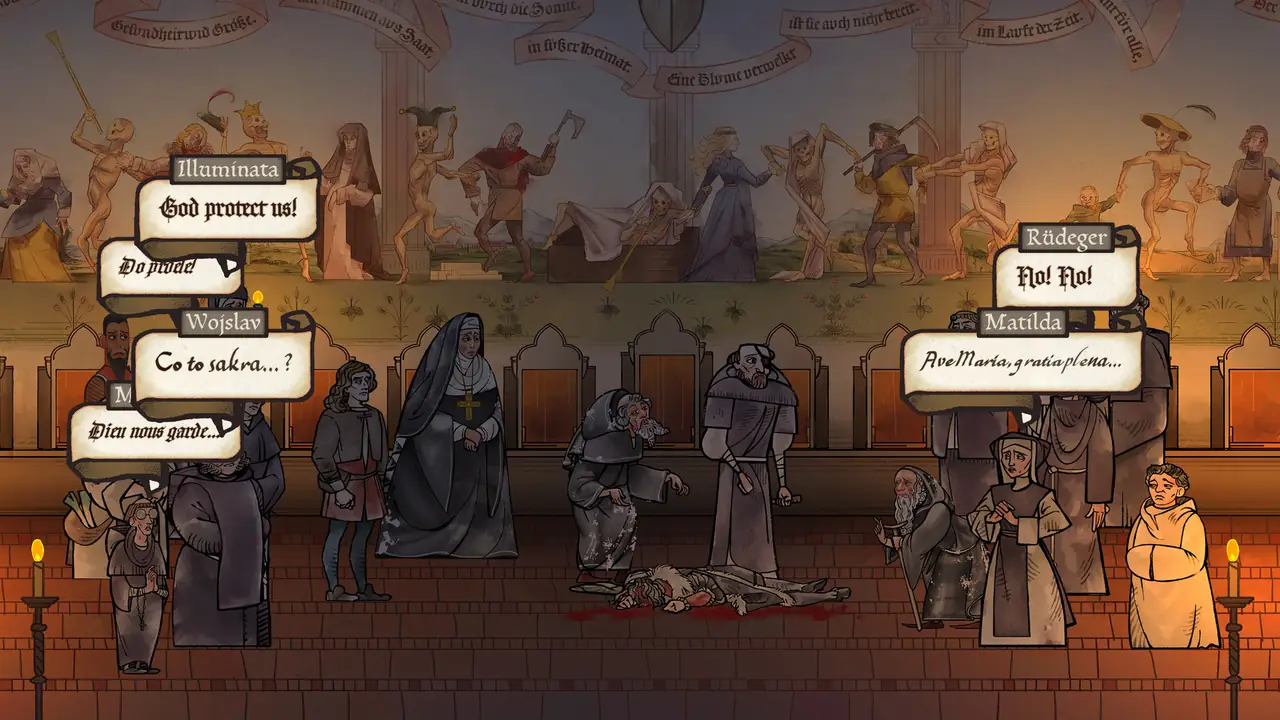
Pentiment
You choose the protagonist's studies and interests at the start, unlocking dialogue like using Latin or a specific field of knowledge.
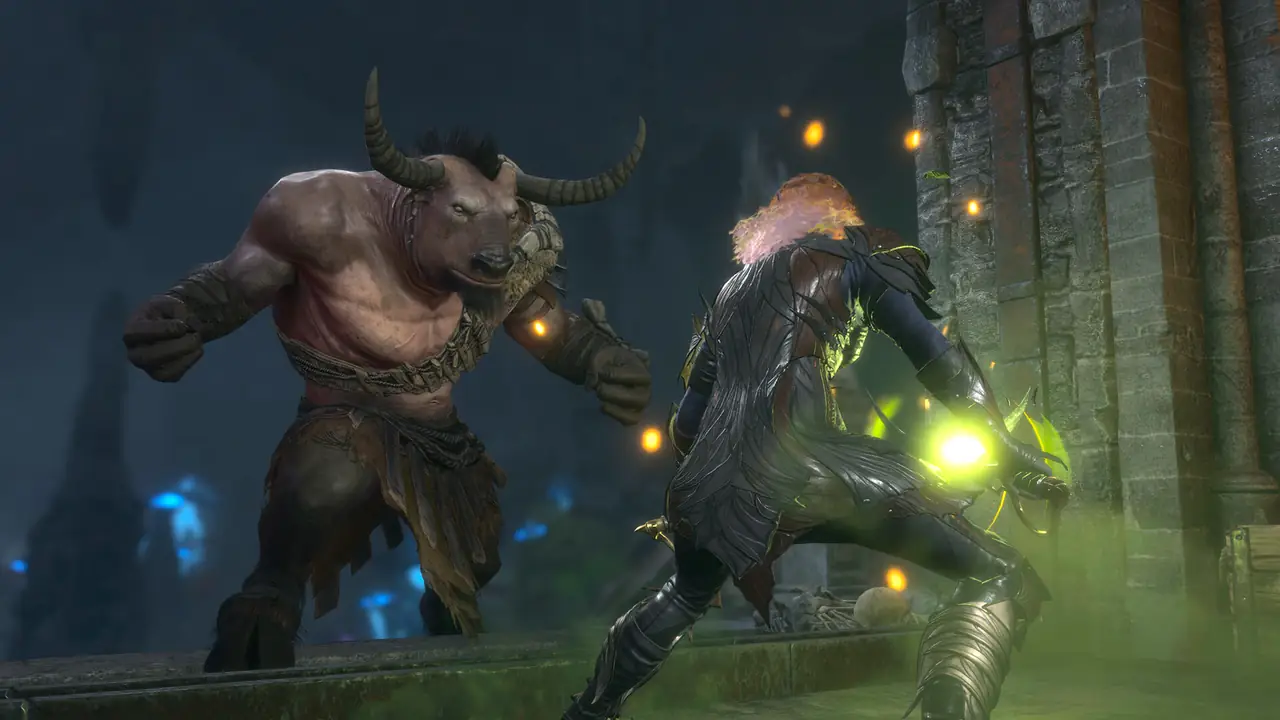
Baldur’s Gate 3
Race, class and background unlock unique dialogue, some bypassing or altering skill checks, such as speaking to kin as a member of their race.
The difference worth noticing
Pentiment's backgrounds mostly shape information and tone; Baldur's Gate 3 also ties them into dice checks.
Case notes are Yoroll editorial summaries; rules may change between versions.
04What could you combine?
Allow respecs mid-game, but relationships earned through old skills persist, creating tension between reinventing yourself and past connections.
Prototype this combo in Yoroll→Follow the next idea
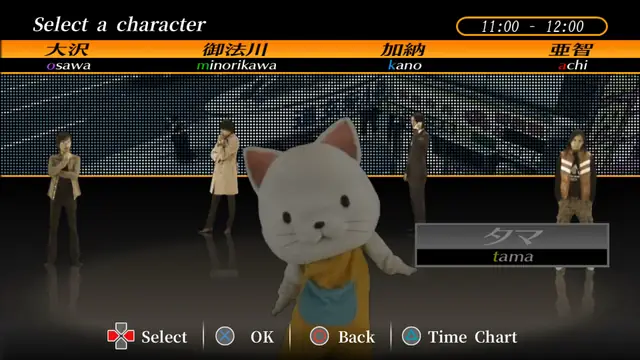
Passing the Story Baton
Choices made as one character land on another when you switch perspectives.
- Prototype complexity
- Who plays
- Solo decisions
- 01Act as character A
- 02Switch to character B
- 03Meet A's consequences
- 04Revisit A's choices

Cutting In
Don't wait for them to finish; cut in at the right moment and the scene can turn.
- Prototype complexity
- Who plays
- Solo decisions
- 01They're mid-sentence
- 02An interrupt prompt flashes
- 03Decide to cut in
- 04The scene shifts

Choices That Come Back
A casual choice resurfaces hours later where you least expect it.
- Prototype complexity
- Who plays
- Solo decisions
- 01Make a small-looking choice
- 02The story moves on
- 03A later event is altered
- 04Recall the original choice