
Cutting In
Don't wait for them to finish; cut in at the right moment and the scene can turn.
- Prototype complexity
- Who plays
- Solo decisions
- Design focus
- Timing · Narrative · Information
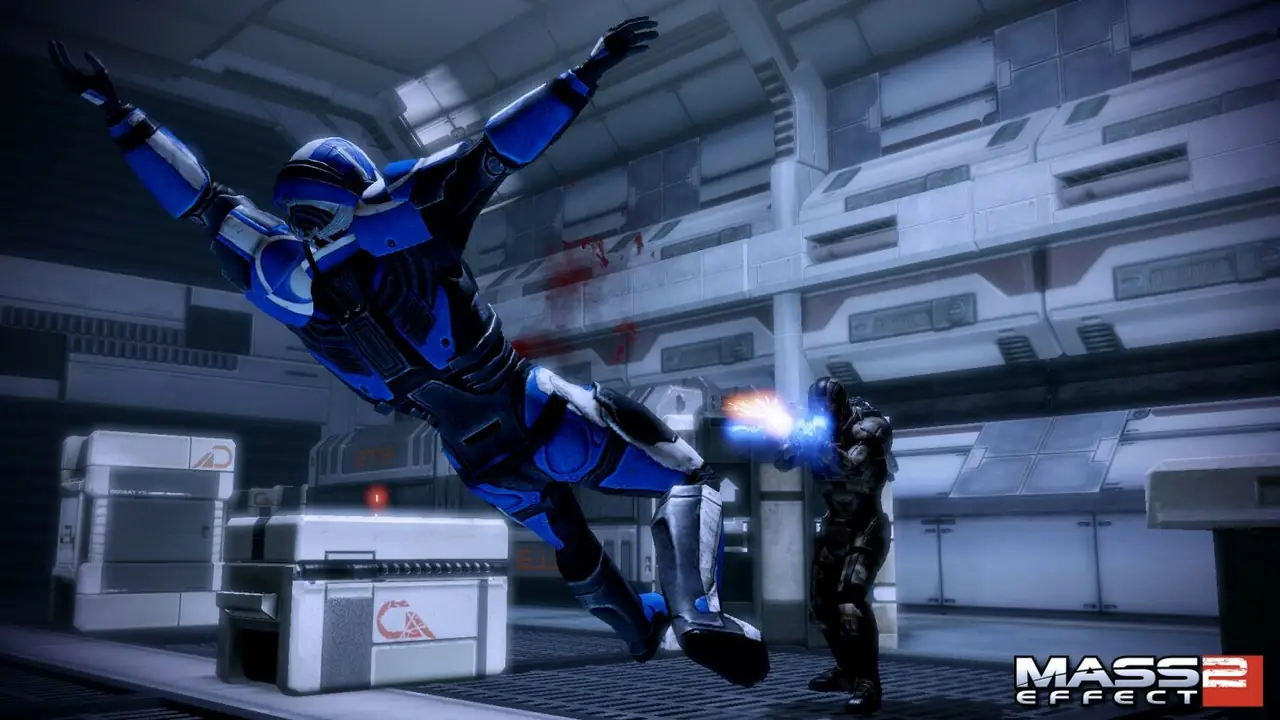 No.195Mass Effect 2 (2010 Edition)
01The core loop
Action → feedback → next choice- 01They're mid-sentence
- 02An interrupt prompt flashes
- 03Decide to cut in
- 04The scene shifts
↻Feedback changes the situation — the next round starts from there.
Walk through one round
A simplified design example. Situations and numbers illustrate the mechanic, not exact rules from a reference game.
- T1
Turn 1 · The situation
A hostage-taker states demands; a 'ruthless' interrupt flashes on the right for two seconds.
- T2
Turn 2 · The player chooses
Trigger it and disarm him.
- T3
Turn 3 · The feedback
The hostage is safe, but you never hear who sent him.
- T4
Turn 4 · The next decision
You'll need another lead to find the mastermind.
How it plays
While someone talks or a cutscene plays, a brief interrupt prompt appears. Pressing it changes direction immediately; missing it lets things proceed. The window is short, testing judgment and reflex.
What the player weighs
- Interrupt for control or listen for full info
- Act harshly or intervene gently
02Start small
Scope is an editorial estimate for the minimum prototype, not the reference game or a production schedule.
03One mechanic, different implementations
Mass Effect 2 (2010 Edition)
Paragon and Renegade interrupt prompts briefly appear during dialogue and cutscenes, and triggering one makes Shepard act at once, striking out or stepping in.
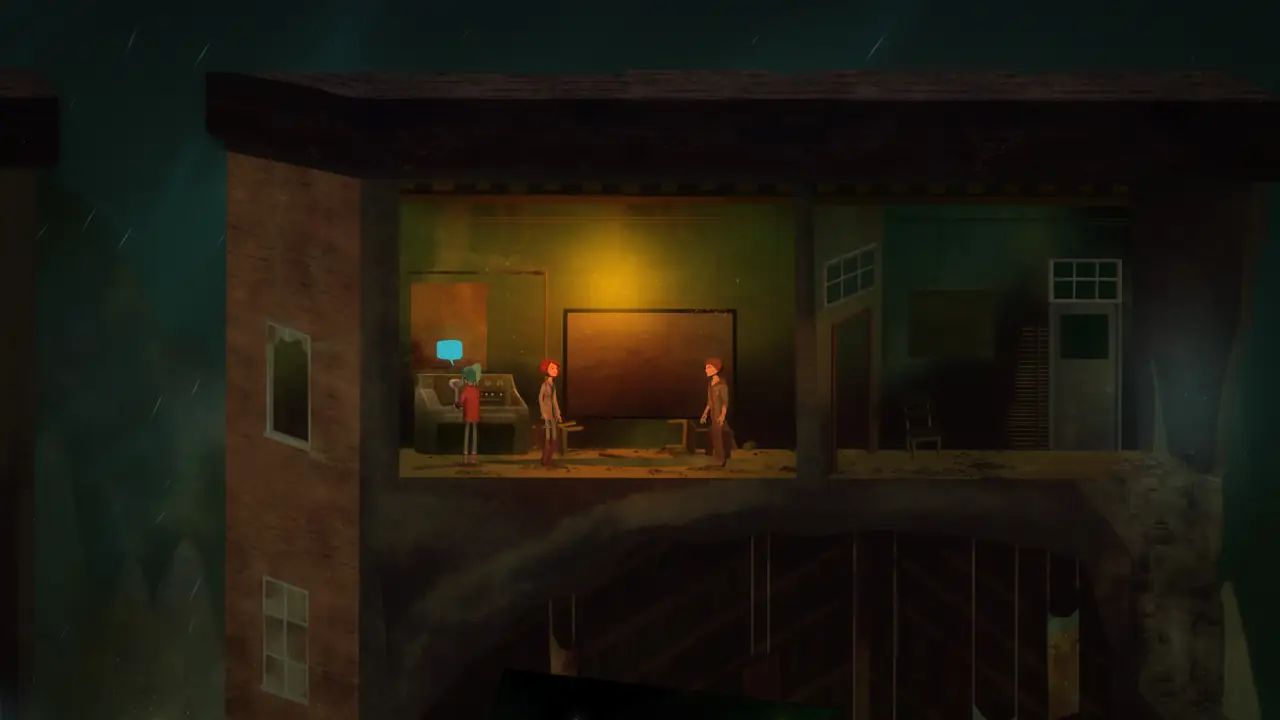
Oxenfree
The protagonist can pick a bubble while others are talking, and the interrupted character stops or adjusts, keeping talk fluid.
The difference worth noticing
Mass Effect 2's interrupts are dramatic action beats; Oxenfree's are everyday conversational cut-ins.
Case notes are Yoroll editorial summaries; rules may change between versions.
04What could you combine?
In combat, enemy taunts telegraph the next attack; interrupting mid-taunt cancels it but risks a counter.
Prototype this combo in Yoroll→Follow the next idea
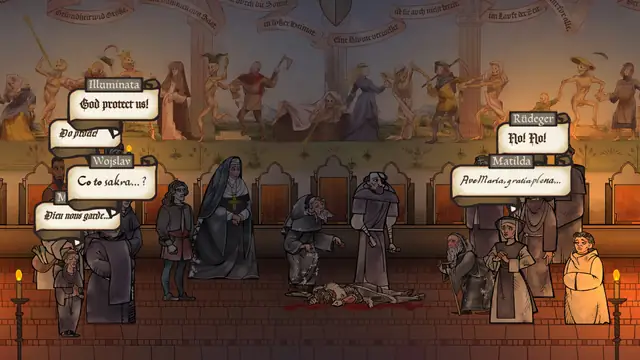
Your Past Opens Doors
Who you were and what you learned decide what people will tell you.
- Prototype complexity
- Who plays
- Solo decisions
- 01Choose a background
- 02Special options appear
- 03Use experience to persuade or see through
- 04Gain what others can't
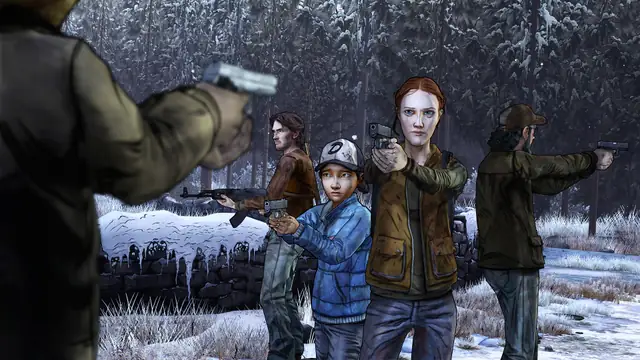
Saying Nothing on Purpose
Saying nothing is a choice, and sometimes it makes them say more.
- Prototype complexity
- Who plays
- Solo decisions
- 01They pause for a reply
- 02Choose to stay silent
- 03They fill the silence
- 04Learn more or be misread
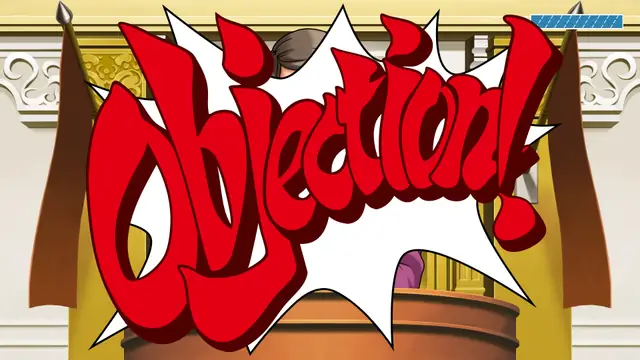
Objection with Evidence
Find the one line that doesn't hold, then put the right proof against it.
- Prototype complexity
- Who plays
- Solo decisions
- 01Hear testimony line by line
- 02Press suspicious lines
- 03Present proof on a contradiction
- 04Testimony breaks or you're penalized