
Passing the Story Baton
Choices made as one character land on another when you switch perspectives.
- Prototype complexity
- Who plays
- Solo decisions
- Design focus
- Narrative · Information · Planning
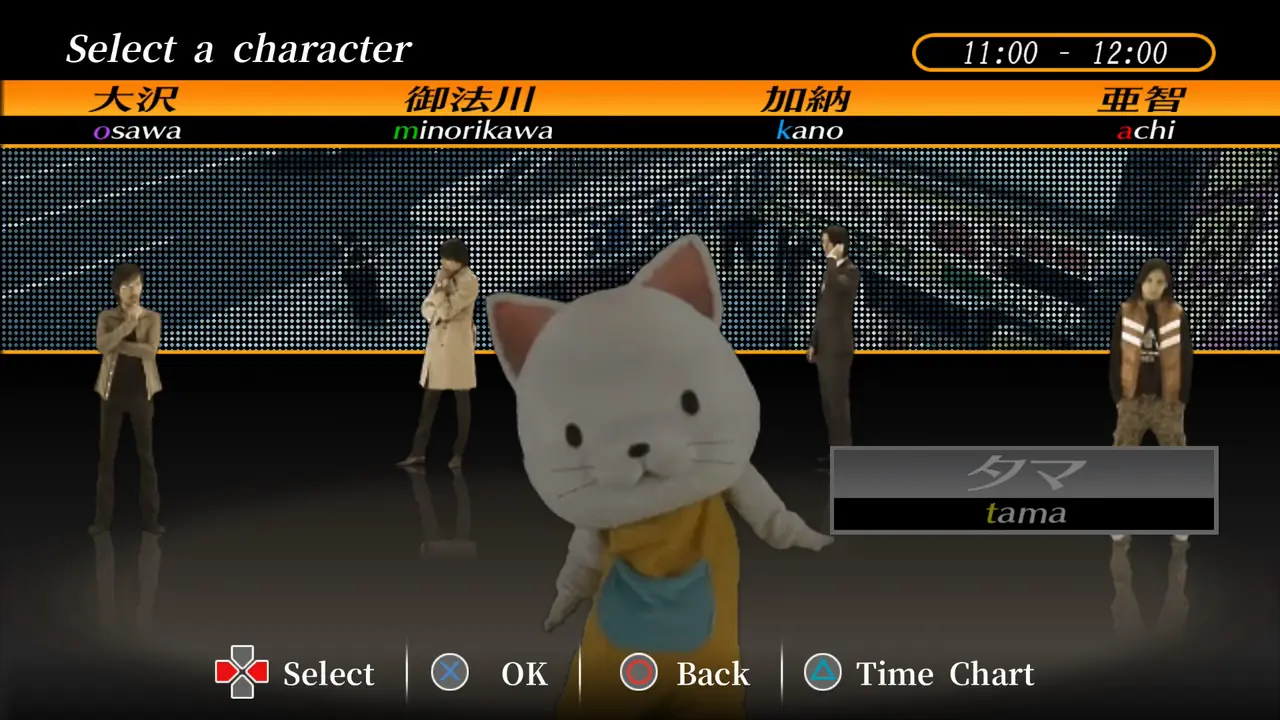 No.193428: Shibuya Scramble
01The core loop
Action → feedback → next choice- 01Act as character A
- 02Switch to character B
- 03Meet A's consequences
- 04Revisit A's choices
↻Feedback changes the situation — the next round starts from there.
Walk through one round
A simplified design example. Situations and numbers illustrate the mechanic, not exact rules from a reference game.
- T1
Turn 1 · The situation
Detective A decides to secure the scene instead of chasing a fleeing suspect.
- T2
Turn 2 · The player chooses
Switch to student B and continue his route.
- T3
Turn 3 · The feedback
The suspect flees into B's street, dragging B into a bad ending.
- T4
Turn 4 · The next decision
Return to A's decision and choose the chase.
How it plays
Several protagonists share one timeframe, and one's actions change another's situation. Some games let you jump back and revise, others only move forward, as players piece the whole together.
What the player weighs
- Protect one character or set up another
- Stay with this view or switch to see the bigger picture
02Start small
Scope is an editorial estimate for the minimum prototype, not the reference game or a production schedule.
03One mechanic, different implementations
428: Shibuya Scramble
Several protagonists' routes interlock on a timetable; one's choice can doom another, and players hop across the timeline to fix it.
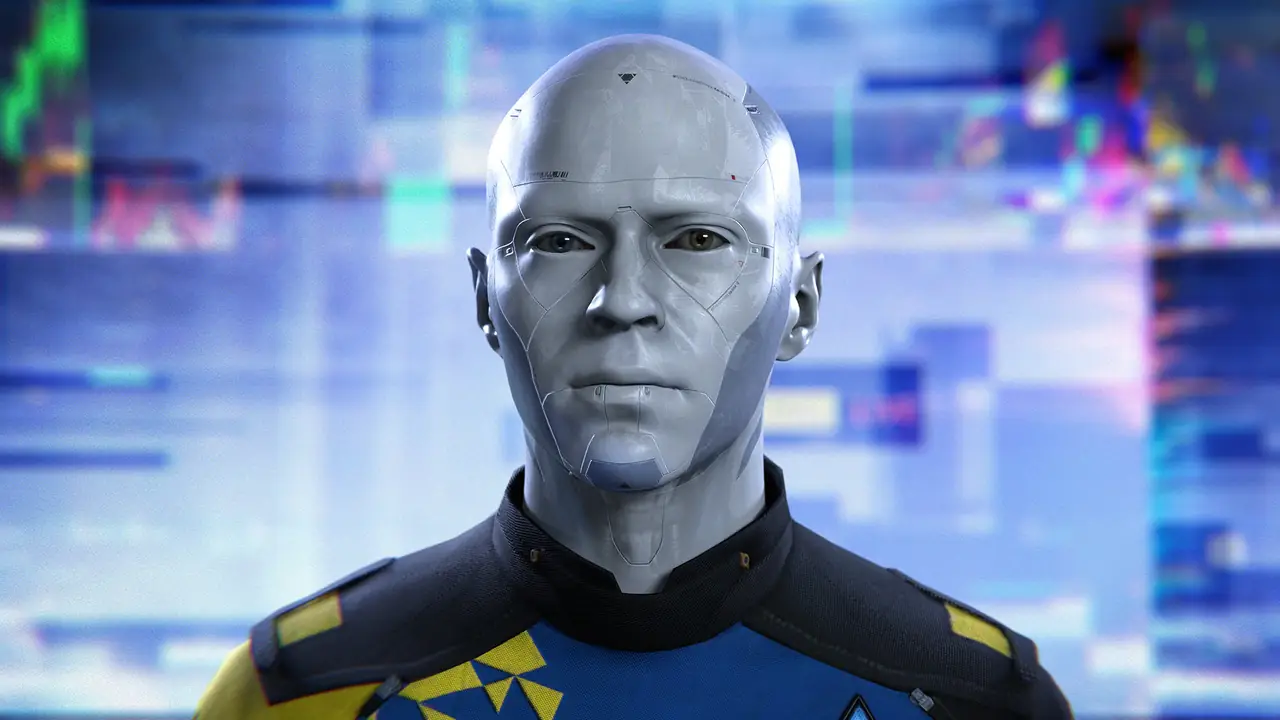
Detroit: Become Human
Chapters alternate among three android leads, and one's success or death changes the others' paths; a flowchart shows branches but play continues forward.
The difference worth noticing
428 treats cross-character chains as a puzzle to untangle; Detroit lets consequences pile up without rewinding.
Case notes are Yoroll editorial summaries; rules may change between versions.
04What could you combine?
Two players each control one lead and see only their own route, so they must communicate to avoid each other's bad endings.
Prototype this combo in Yoroll→Follow the next idea
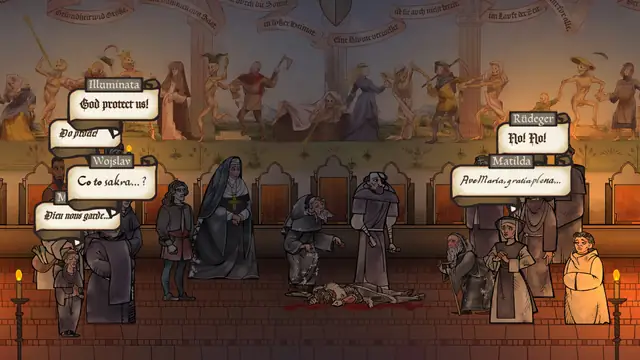
Your Past Opens Doors
Who you were and what you learned decide what people will tell you.
- Prototype complexity
- Who plays
- Solo decisions
- 01Choose a background
- 02Special options appear
- 03Use experience to persuade or see through
- 04Gain what others can't
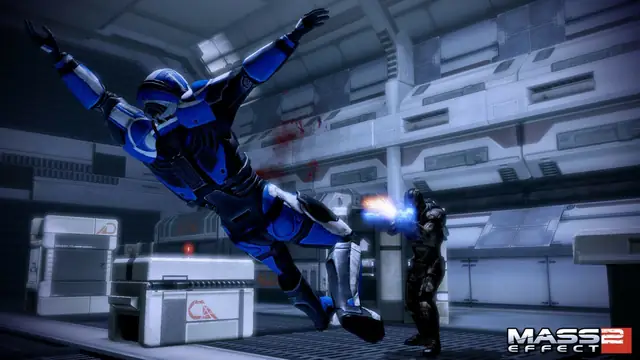
Cutting In
Don't wait for them to finish; cut in at the right moment and the scene can turn.
- Prototype complexity
- Who plays
- Solo decisions
- 01They're mid-sentence
- 02An interrupt prompt flashes
- 03Decide to cut in
- 04The scene shifts
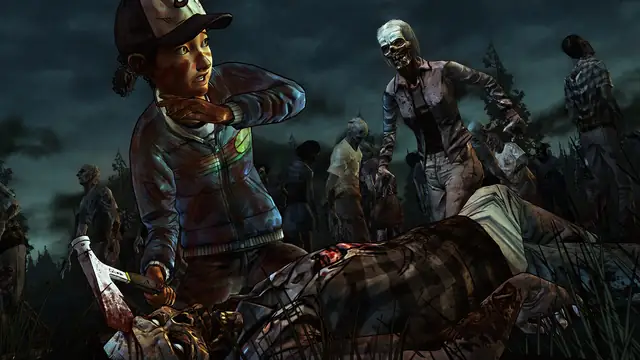
Choices That Come Back
A casual choice resurfaces hours later where you least expect it.
- Prototype complexity
- Who plays
- Solo decisions
- 01Make a small-looking choice
- 02The story moves on
- 03A later event is altered
- 04Recall the original choice