
Rewriting the Loop
The same stretch of time repeats; only knowledge carries over to rewrite the next pass.
- Prototype complexity
- Who plays
- Solo decisions
- Design focus
- Time · Information · Discovery
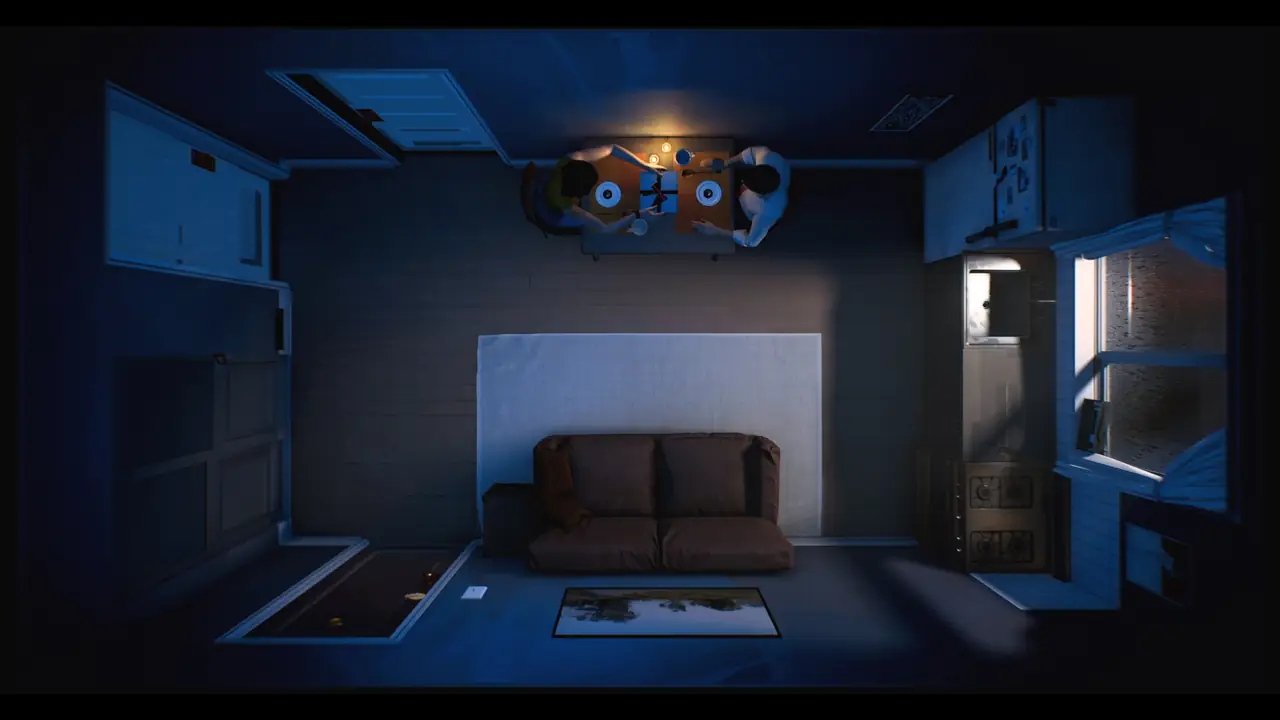 No.194Twelve Minutes
01The core loop
Action → feedback → next choice- 01Live through one loop
- 02Note when key events happen
- 03Act differently next time
- 04Unlock a new outcome
↻Feedback changes the situation — the next round starts from there.
Walk through one round
A simplified design example. Situations and numbers illustrate the mechanic, not exact rules from a reference game.
- T1
Turn 1 · The situation
A 22-minute loop; you know a building collapses at minute 15.
- T2
Turn 2 · The player chooses
Reach the building at minute 12 and slip into a sealed area before the collapse.
- T3
Turn 3 · The feedback
The collapse drops you into a lower level otherwise unreachable.
- T4
Turn 4 · The next decision
Go straight there next loop and save eight minutes.
How it plays
The world runs on a fixed schedule and resets when the loop ends, but the player remembers. Progress comes from knowing the timing and being in the right place, not from getting stronger.
What the player weighs
- Chase one event this loop or explore the unknown
- Try a new route or repeat known steps to confirm
02Start small
Scope is an editorial estimate for the minimum prototype, not the reference game or a production schedule.
03One mechanic, different implementations
Twelve Minutes
The story loops in a single apartment; the protagonist keeps his memories and uses known lines and items to change how his wife and the intruder act.
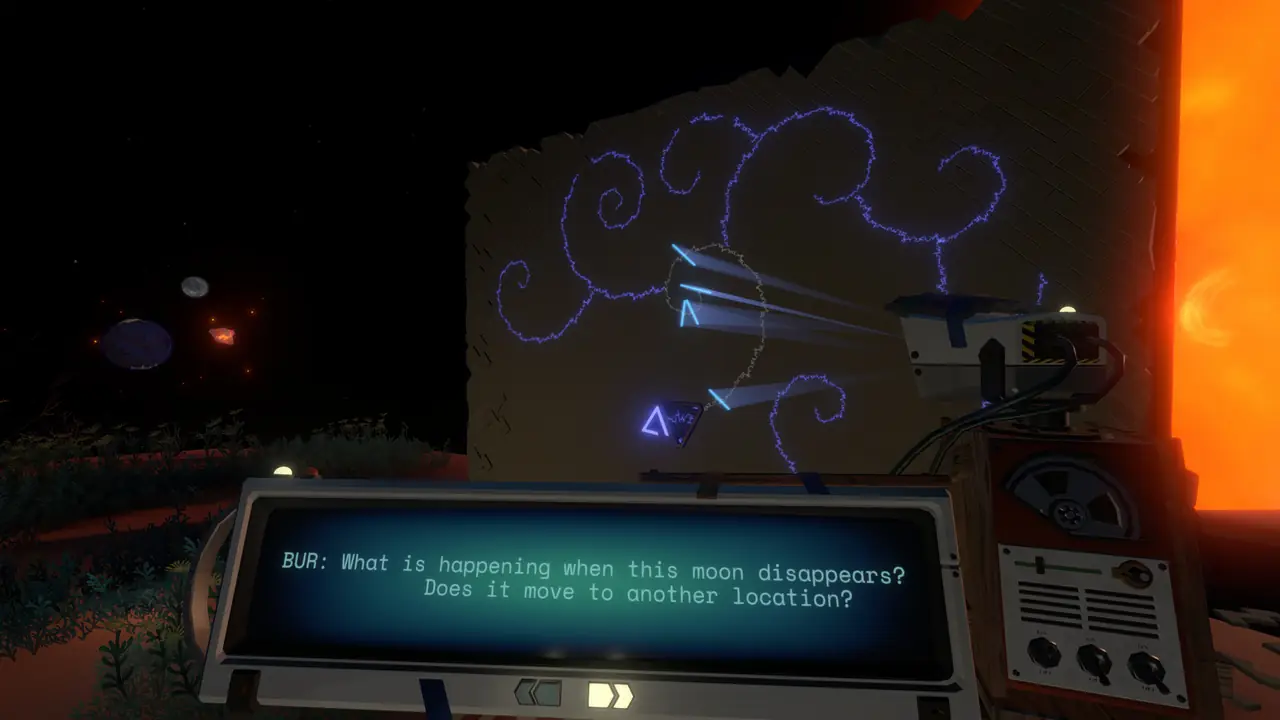
Outer Wilds
The solar system resets after about 22 minutes as the sun explodes, planets evolve on fixed schedules such as the sand flow between the Hourglass Twins, and progress is pure knowledge.
The difference worth noticing
Twelve Minutes centers on people in one room; Outer Wilds spans physical change across a solar system.
Case notes are Yoroll editorial summaries; rules may change between versions.
04What could you combine?
A timed delivery repeats each loop, players memorize every delay along the way, and eventually plot a route that makes the deadline exactly.
Prototype this combo in Yoroll→Follow the next idea
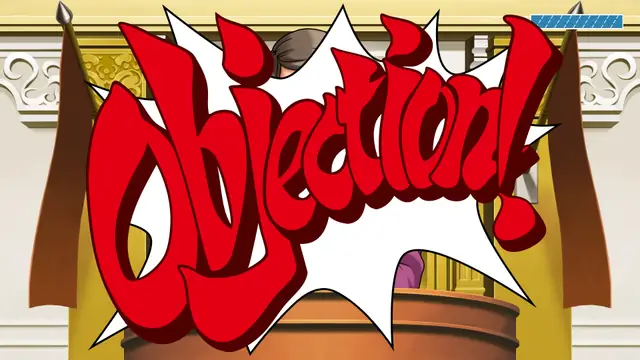
Objection with Evidence
Find the one line that doesn't hold, then put the right proof against it.
- Prototype complexity
- Who plays
- Solo decisions
- 01Hear testimony line by line
- 02Press suspicious lines
- 03Present proof on a contradiction
- 04Testimony breaks or you're penalized
Too Many Leads, Too Little Time
Leads outnumber hours; you decide whose door to knock on today.
- Prototype complexity
- Who plays
- Solo decisions
- 01List open leads
- 02Spend a time slot
- 03Gain info or come up empty
- 04Conclude before the deadline
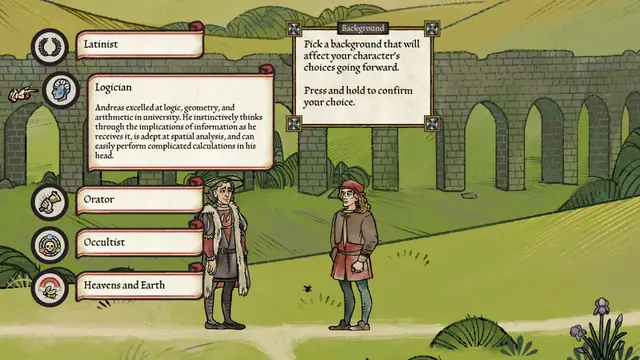
Your Past Opens Doors
Who you were and what you learned decide what people will tell you.
- Prototype complexity
- Who plays
- Solo decisions
- 01Choose a background
- 02Special options appear
- 03Use experience to persuade or see through
- 04Gain what others can't