
Stacking Challenge Tiers
After winning, you add handicaps; each extra layer earns more recognition.
- Prototype complexity
- Who plays
- Solo decisions
- Design focus
- Progression · Risk · Planning
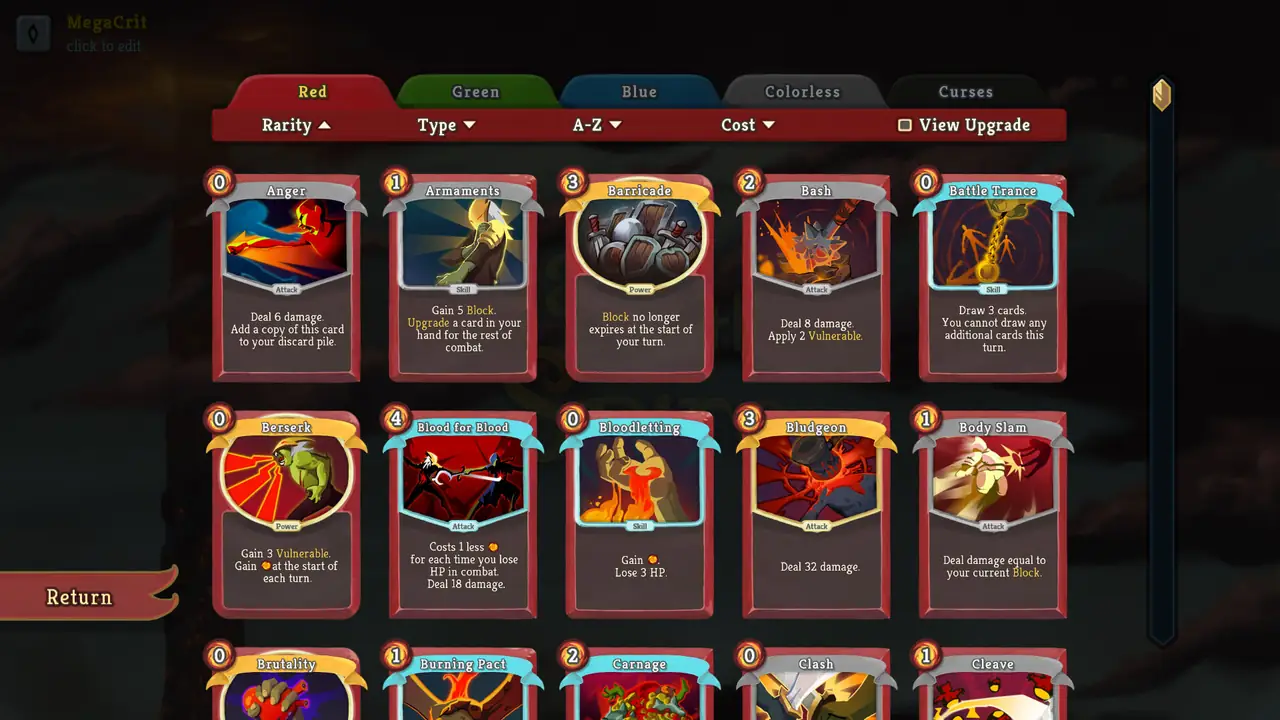 No.097Slay the Spire
01The core loop
Action → feedback → next choice- 01Clear current tier
- 02Unlock or stack a modifier
- 03Adapt strategy and retry
- 04Earn reward or badge
↻Feedback changes the situation — the next round starts from there.
Walk through one round
A simplified design example. Situations and numbers illustrate the mechanic, not exact rules from a reference game.
- T1
Turn 1 · The situation
Tier 4 cleared; tier 5 adds 'one fewer rest site per act'. The player relies on healing.
- T2
Turn 2 · The player chooses
Switch to a defensive deck that needs fewer rests.
- T3
Turn 3 · The feedback
The first attempt dies at the Act 2 boss; the third clears and unlocks tier 6.
- T4
Turn 4 · The next decision
Tier 6's new rule pushes another rethink of deck strategy.
How it plays
After the first clear, difficulty modifiers open up: tougher enemies, fewer resources, tighter clocks. They may unlock as a fixed ladder or as a menu of mix-and-match conditions, with rewards or badges for higher levels.
What the player weighs
- Thrill vs frustration: higher tiers excite but failure stings harder.
- Comfortable modifiers vs a high score: with free choice, players dodge the conditions that hurt their style.
02Start small
Scope is an editorial estimate for the minimum prototype, not the reference game or a production schedule.
03One mechanic, different implementations
Slay the Spire
Ascension runs 20 levels, each unlocked by a win and stacked cumulatively, adding things like more elites, stronger bosses and a starting curse.
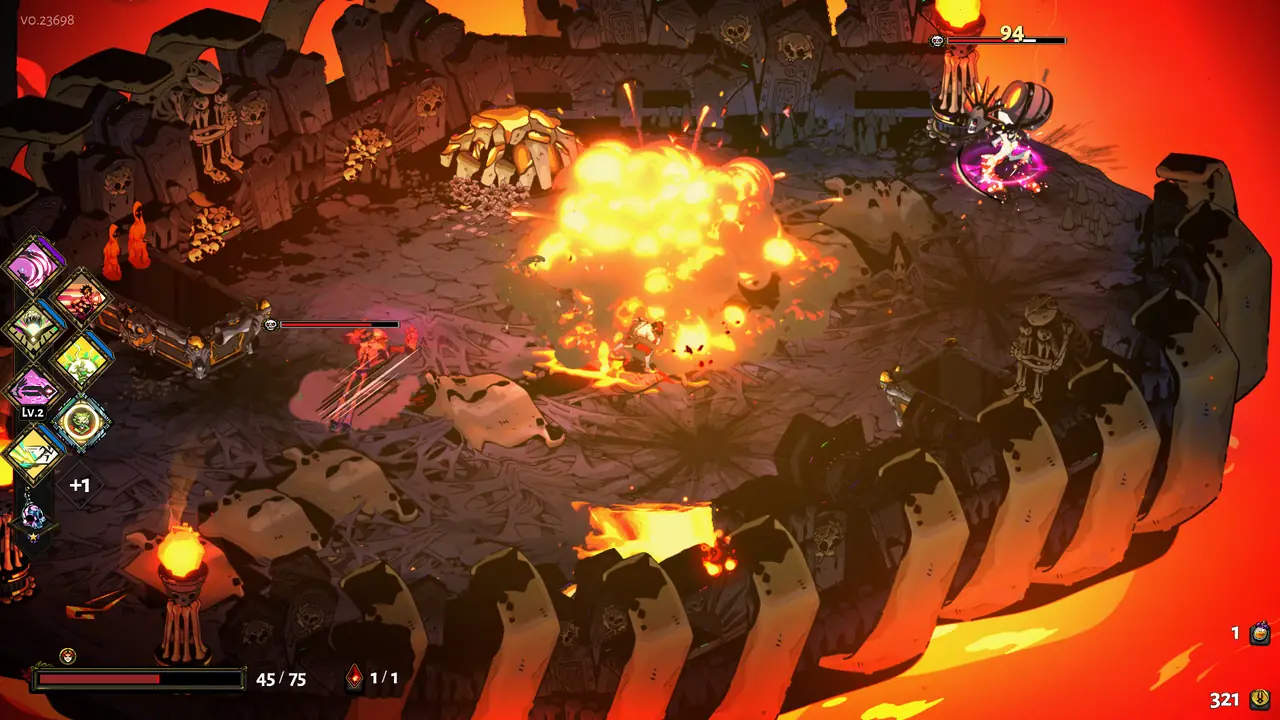
Hades
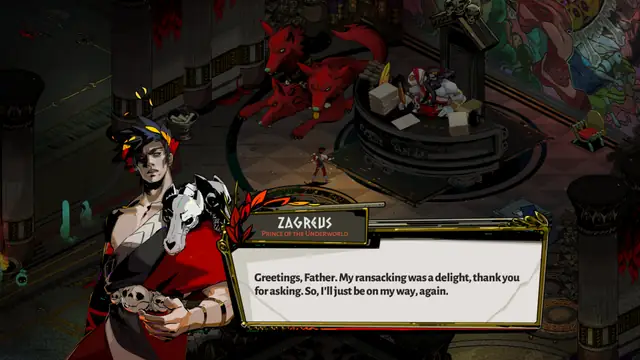
The Pact of Punishment lets players freely pick conditions that sum to a Heat value, unlocking rewards tracked per weapon.
The difference worth noticing
Slay the Spire uses a fixed linear ladder; Hades offers a mix-and-match menu so players author their own difficulty.
Case notes are Yoroll editorial summaries; rules may change between versions.
04What could you combine?
Each tier trims the light consumables you can carry, so darkness scales with difficulty and players trade vision against other supplies.
Prototype this combo in Yoroll→Follow the next idea
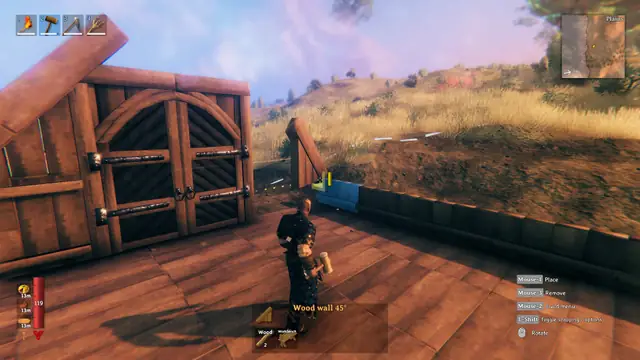
Death Drains Skills
Hard-earned skill drains away on death, so every risk gets weighed.
- Prototype complexity
- Who plays
- Solo decisions
- 01Raise skills through use
- 02Take risks with them
- 03Death strips some levels
- 04Retrain or play safer
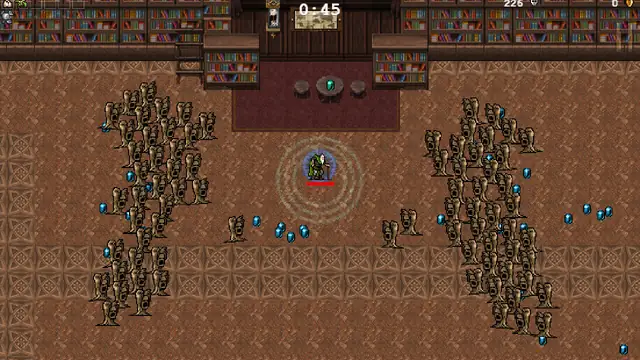
Weapon Evolution Recipes
Collect the right pair and meet the condition, and a basic weapon transforms.
- Prototype complexity
- Who plays
- Solo decisions
- 01Learn or guess a recipe
- 02Draft toward the parts
- 03Trigger the evolution
- 04Enjoy a power spike
Carry-Over Run Currency
Every failed attempt brings something home, so the next one starts stronger.
- Prototype complexity
- Who plays
- Solo decisions
- 01Collect currency in a run
- 02Die or finish, then cash out
- 03Buy permanent upgrades
- 04Start a stronger run