
Carry-Over Run Currency
Every failed attempt brings something home, so the next one starts stronger.
- Prototype complexity
- Who plays
- Solo decisions
- Design focus
- Progression · Economy · Risk
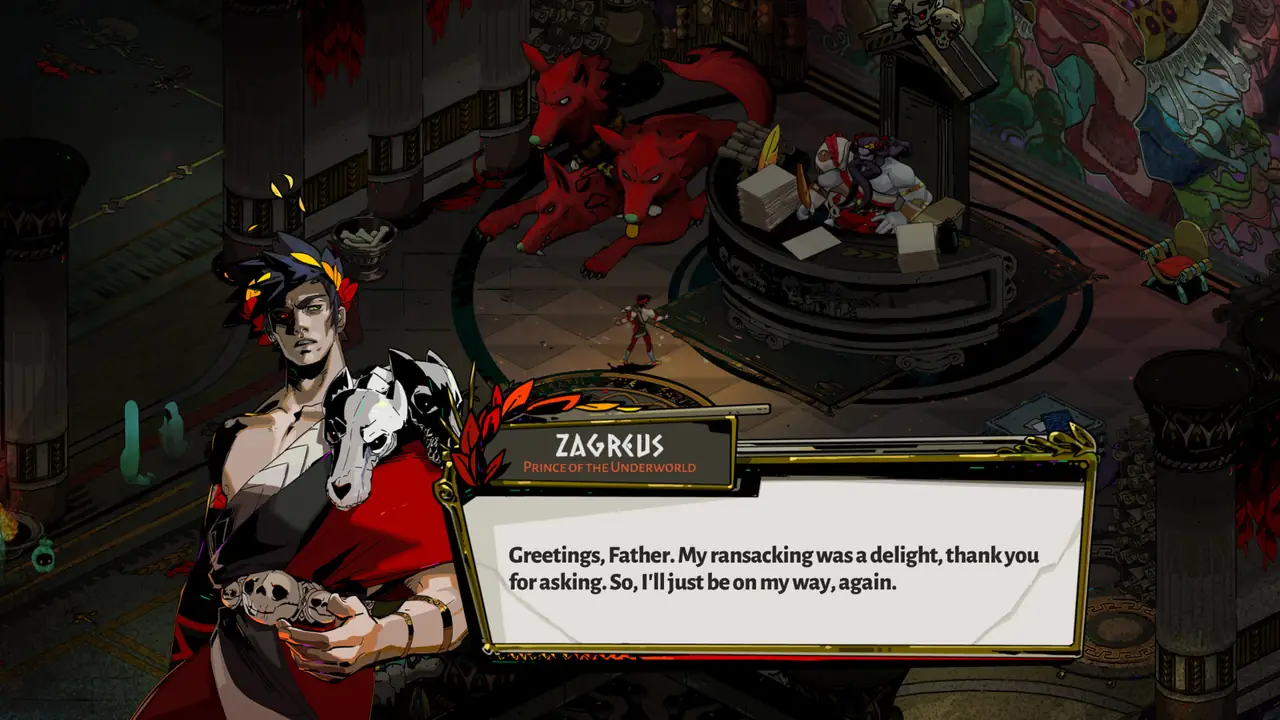 No.094Hades
01The core loop
Action → feedback → next choice- 01Collect currency in a run
- 02Die or finish, then cash out
- 03Buy permanent upgrades
- 04Start a stronger run
↻Feedback changes the situation — the next round starts from there.
Walk through one round
A simplified design example. Situations and numbers illustrate the mechanic, not exact rules from a reference game.
- T1
Turn 1 · The situation
Floor 3 with 40 shards banked; next door offers 15 shards or an elite room worth 35, and you're at 30% HP.
- T2
Turn 2 · The player chooses
Since a permanent HP upgrade costs 70, the player gambles on the elite room.
- T3
Turn 3 · The feedback
A narrow win brings the total to 75, then the player dies on the next floor.
- T4
Turn 4 · The next decision
Back home, the HP upgrade is bought and the next run starts with more health.
How it plays
Runs produce temporary resources and a currency that survives death. Outside the run it buys stats, items or new content, so repeated failure still shows progress and players weigh risks to grab more.
What the player weighs
- Greed vs survival: one more room could pay out or end the run.
- In-run power vs meta savings: some designs make both compete for the same resource.
02Start small
Scope is an editorial estimate for the minimum prototype, not the reference game or a production schedule.
03One mechanic, different implementations
Hades
Darkness gathered in runs is spent at the Mirror of Night on permanent talents, while keys, gems and others handle unlocks and decor.
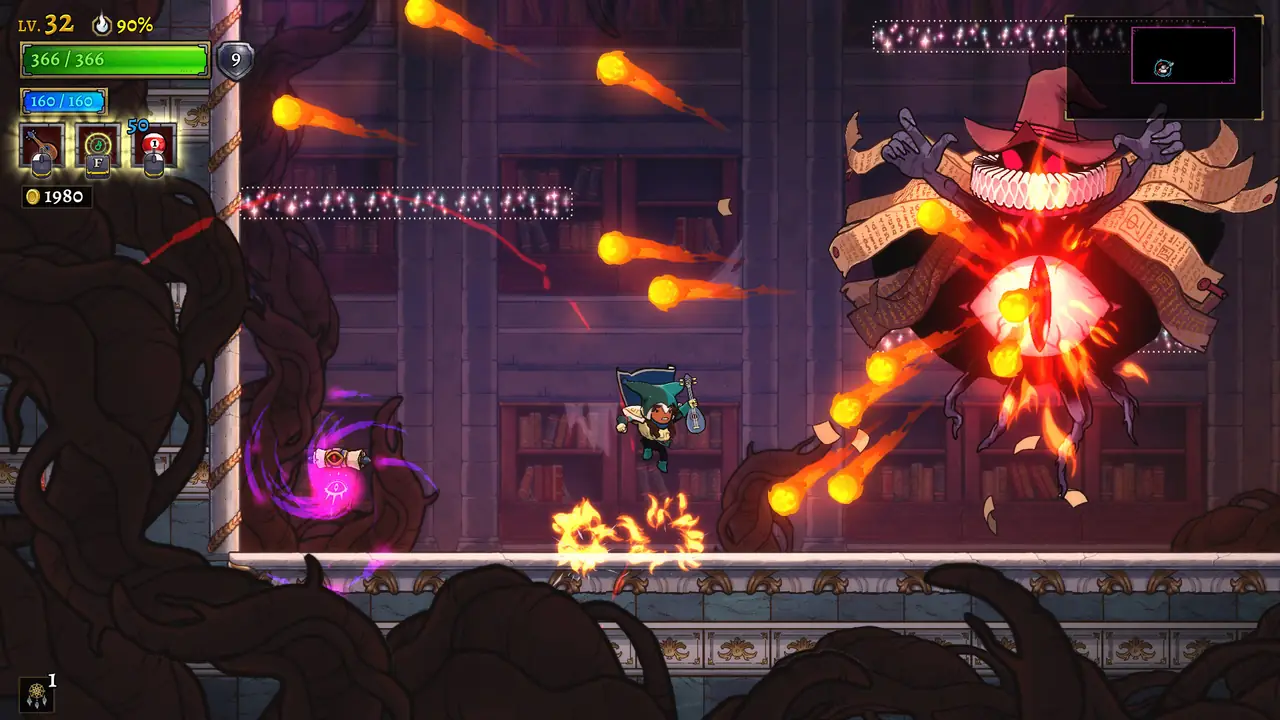
Rogue Legacy 2
Gold from each run expands the manor for stats and classes; as I recall, unspent gold is largely taken by Charon on re-entry, pushing you to spend it immediately.
The difference worth noticing
Hades splits several currencies and ties them to story, while Rogue Legacy 2 leans on one gold pool with a use-it-or-lose-it rule.
Case notes are Yoroll editorial summaries; rules may change between versions.
04What could you combine?
Let the meta currency buy terrain-reading perks, like revealing what lies at the end of a fork, turning meta growth into sharper route choices.
Prototype this combo in Yoroll→Follow the next idea
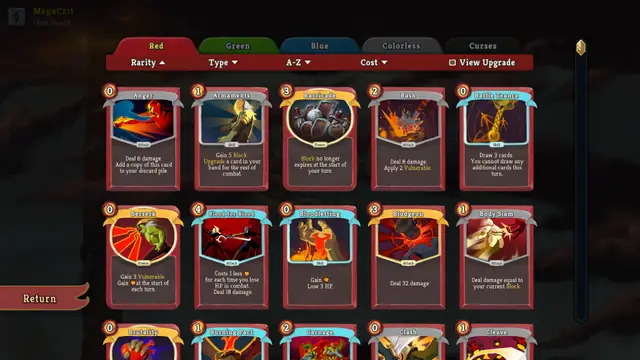
Stacking Challenge Tiers
After winning, you add handicaps; each extra layer earns more recognition.
- Prototype complexity
- Who plays
- Solo decisions
- 01Clear current tier
- 02Unlock or stack a modifier
- 03Adapt strategy and retry
- 04Earn reward or badge
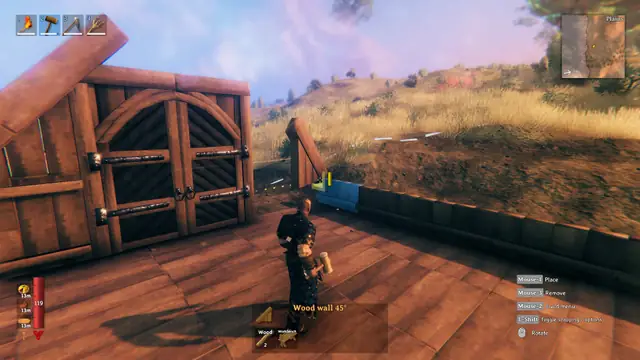
Death Drains Skills
Hard-earned skill drains away on death, so every risk gets weighed.
- Prototype complexity
- Who plays
- Solo decisions
- 01Raise skills through use
- 02Take risks with them
- 03Death strips some levels
- 04Retrain or play safer
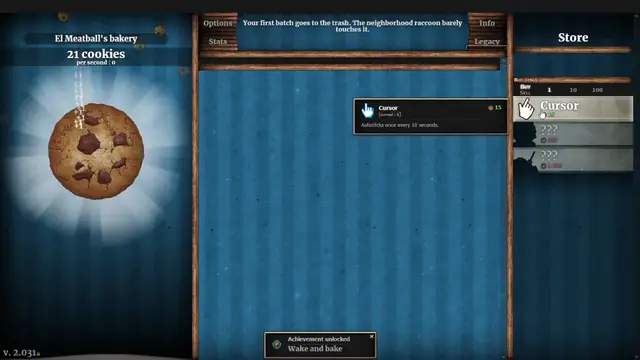
Prestige Reset
Wipe your progress on purpose to earn a permanent multiplier and go faster next time.
- Prototype complexity
- Who plays
- Solo decisions
- 01Grow until gains slow
- 02Check prestige points earned
- 03Reset for permanent boost
- 04Blitz past old progress