
Pick Your Heir
Your hero dies but the bloodline lives; choose the next adventurer from random offspring.
- Prototype complexity
- Who plays
- Solo decisions
- Design focus
- Randomness · Progression · Planning
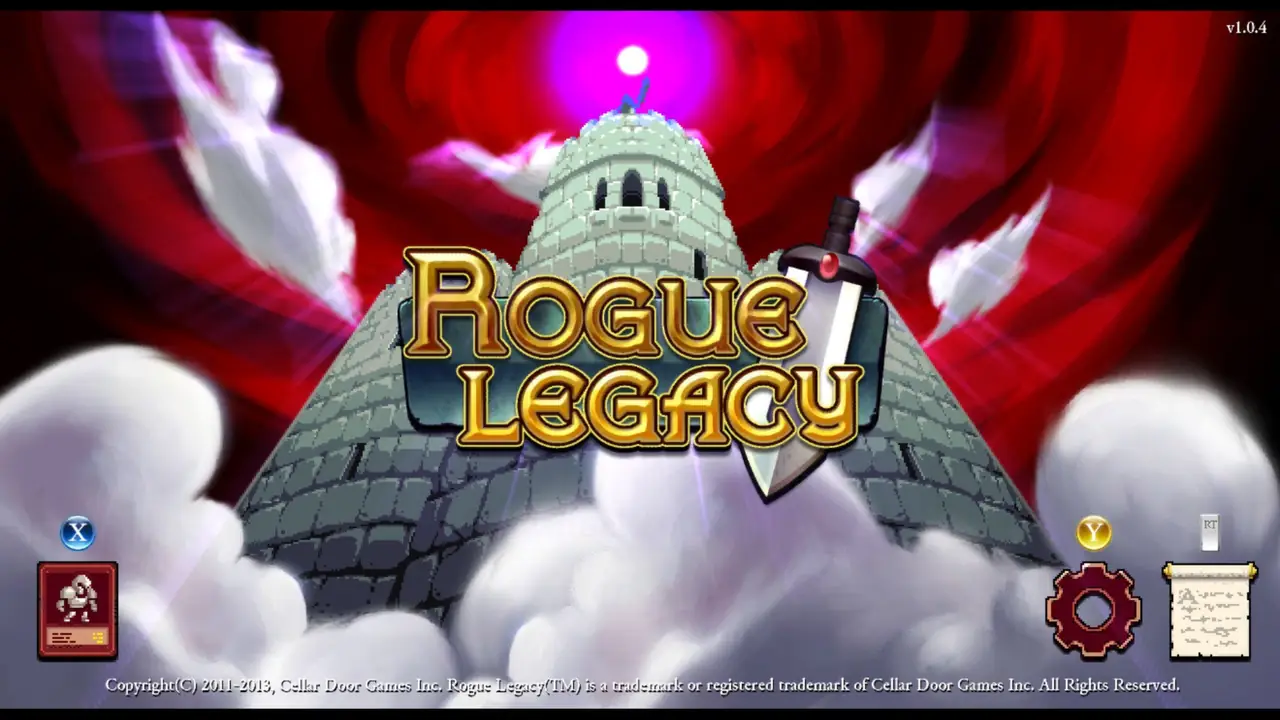 No.095Rogue Legacy
01The core loop
Action → feedback → next choice- 01Current hero dies
- 02Roll several random heirs
- 03Compare traits, pick one
- 04Adapt to their quirks
↻Feedback changes the situation — the next round starts from there.
Walk through one round
A simplified design example. Situations and numbers illustrate the mechanic, not exact rules from a reference game.
- T1
Turn 1 · The situation
Three heirs: A is a familiar knight; B a mage with blurred vision; C a giant archer with +25% gold.
- T2
Turn 2 · The player chooses
Saving for an upgrade, the player picks C.
- T3
Turn 3 · The feedback
The big frame takes more hits, but the run brings home about 50 extra gold.
- T4
Turn 4 · The next decision
The gold unlocks a new class, widening the next heir pool.
How it plays
After death, a few heirs are generated with random classes, abilities and positive or negative traits. The player picks one and adapts; awkward traits often come with a reward bonus.
What the player weighs
- Comfortable class vs lucrative quirk: harder traits often pay more gold.
- Accept the roll vs pay to reroll: reroll cost competes with permanent upgrades.
02Start small
Scope is an editorial estimate for the minimum prototype, not the reference game or a production schedule.
03One mechanic, different implementations
Rogue Legacy
After each death you pick one of three descendants with random classes and odd traits like color blindness or gigantism, some cosmetic, some mechanical.
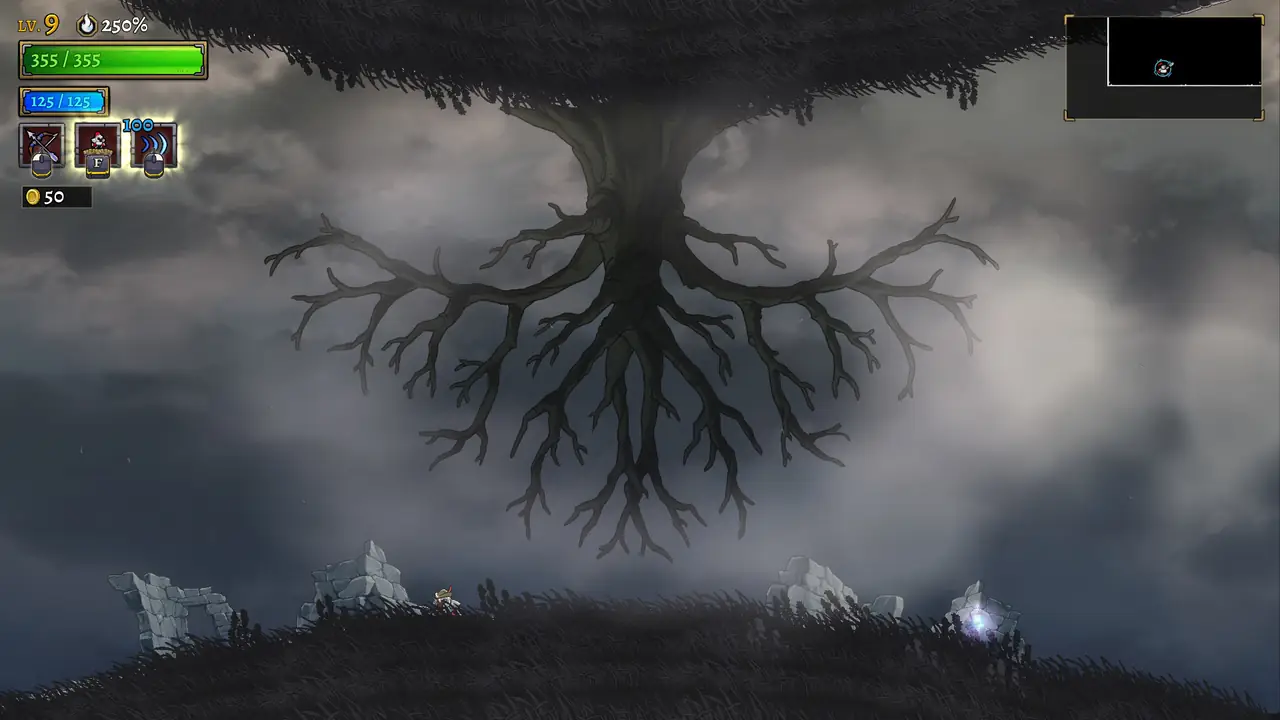
Rogue Legacy 2
Heirs also carry a set weapon, talent and spell, and negative traits usually grant a gold bonus; an unlockable option lets you reroll the lineup.
The difference worth noticing
The first game uses traits mostly for comic randomness; the sequel ties them to gold so picking the hard heir becomes a rational bet.
Case notes are Yoroll editorial summaries; rules may change between versions.
04What could you combine?
Have heir traits rewrite the shared stamina pool, such as 'Hothead' making attacks cheaper but blocks twice as costly, so each heir demands a new rhythm.
Prototype this combo in Yoroll→Follow the next idea
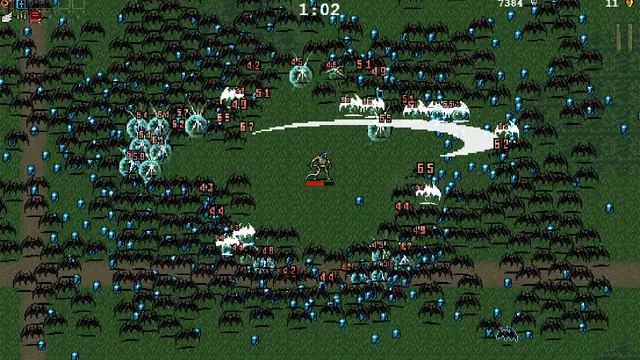
Random Level-Up Draft
Every level-up deals a few options; pick one and assemble this run's build.
- Prototype complexity
- Who plays
- Solo decisions
- 01Defeat enemies for XP
- 02Level-up shows random options
- 03Pick one to shape build
- 04Kill faster, level faster
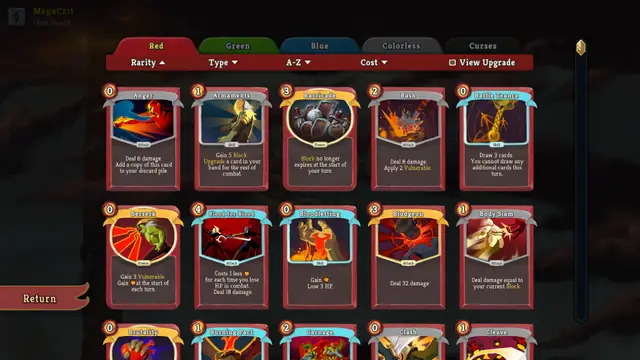
Stacking Challenge Tiers
After winning, you add handicaps; each extra layer earns more recognition.
- Prototype complexity
- Who plays
- Solo decisions
- 01Clear current tier
- 02Unlock or stack a modifier
- 03Adapt strategy and retry
- 04Earn reward or badge
Death Drains Skills
Hard-earned skill drains away on death, so every risk gets weighed.
- Prototype complexity
- Who plays
- Solo decisions
- 01Raise skills through use
- 02Take risks with them
- 03Death strips some levels
- 04Retrain or play safer